This Dodge Charger EV Prototype Packs An Experimental Semi-Solid-State Battery
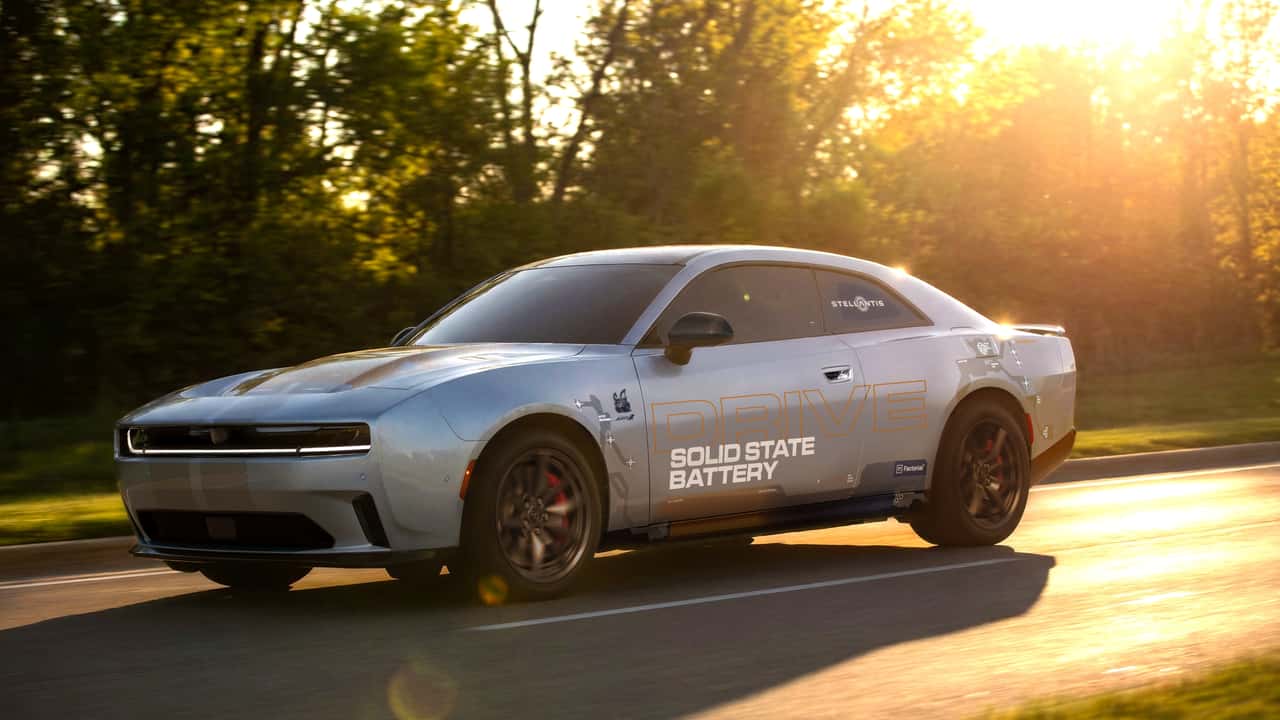
Dodge parent Stellantis is exploring the viability of semi-solid-state batteries with real-world testing. The test mule: A Charger EV.
Automakers are intensely focused on competitive advantages in EV technology, with battery chemistry being a key differentiator and a race to extend range and reduce costs.
Semi-solid-state and solid-state batteries promise significant improvements in energy density, safety, and charging speed, which are critical for mass EV adoption and market leadership.
The deployment of semi-solid-state batteries in real-world testing indicates a maturation of the technology, moving it closer to commercialization and potentially reshaping the EV performance landscape.
- · Stellantis
- · Semi-solid-state battery manufacturers
- · Electric vehicle consumers
- · Traditional lithium-ion battery manufacturers
- · Companies slow to adopt advanced battery technologies
Successful semi-solid-state battery integration could lead to a new generation of EVs with superior performance characteristics.
Increased adoption of these batteries may drive down costs and accelerate the transition away from fossil fuel vehicles globally.
The shift in battery technology could lead to new geopolitical considerations regarding mineral sourcing and manufacturing hubs for these advanced chemistries.
This signal links to a primary source. Continuum Brief monitors and indexes it as part of the live intelligence stream — we do not republish source content.
Read at InsideEVs