This Flaw Keeps Sabotaging Solid-State Batteries. Scientists Found A Solution
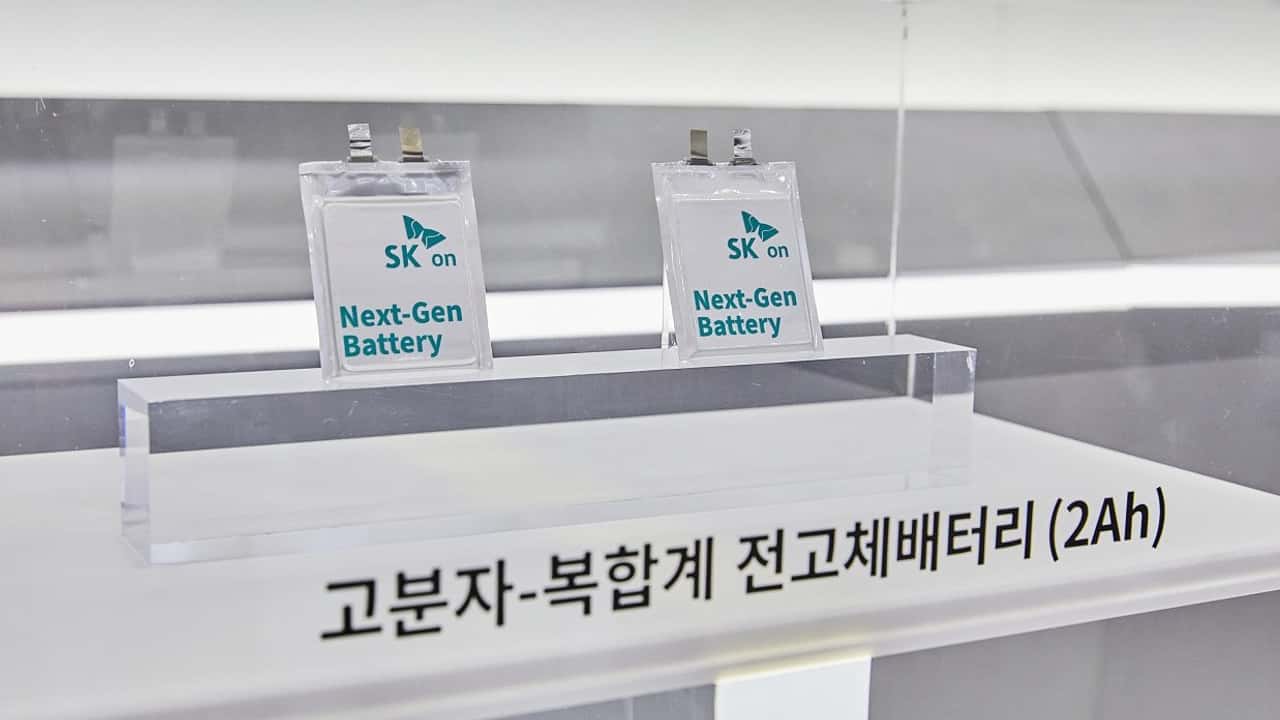
Tiny metal spikes can short-circuit a solid-state battery. Researchers at MIT found a way to avoid them.
MIT researchers have published a solution to a critical flaw in solid-state battery technology, signaling a significant step forward in their viability.
Overcoming the dendrite problem is crucial for solid-state batteries to achieve their potential for higher energy density, faster charging, and improved safety, which has widespread implications for industries reliant on energy storage.
The successful mitigation of dendrite formation removes a major technical barrier that has hindered the commercialization of solid-state batteries, potentially accelerating their adoption.
- · Solid-state battery manufacturers
- · Electric vehicle industry
- · Consumer electronics
- · Renewable energy storage
- · Traditional lithium-ion battery manufacturers (long-term)
- · Oil and gas industry (indirect, long-term)
The discovery paves the way for more rapid development and scaled production of solid-state batteries due to enhanced safety and performance predictability.
Accelerated adoption of solid-state batteries could lead to lighter, longer-range electric vehicles and more compact, powerful portable electronics, driving innovation and market share shifts.
A widespread transition to solid-state batteries could alleviate grid strain by enabling more efficient and safer large-scale energy storage, further supporting renewable energy integration and potentially impacting geopolitical energy dependencies.
This signal links to a primary source. Continuum Brief monitors and indexes it as part of the live intelligence stream — we do not republish source content.
Read at InsideEVs