‘This time, it’s the other way around’: how Indonesia is reclaiming the science of human history
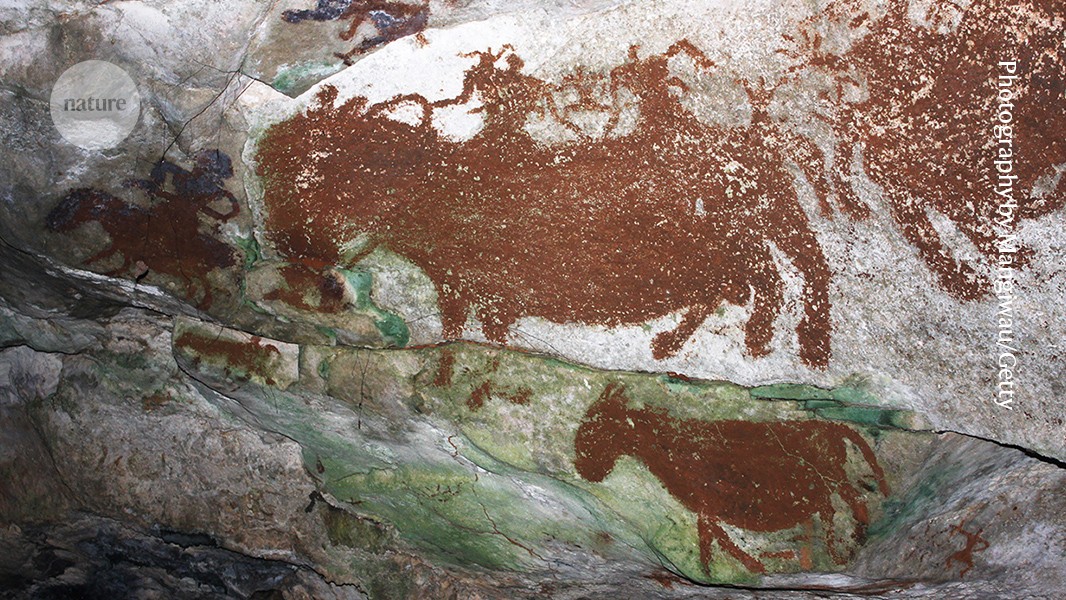
Nature, Published online: 09 July 2026; doi:10.1038/d41586-026-01357-3 After a massive restructuring of its research ecosystem, Indonesia is taking the lead on its own palaeontological research.
Indonesia has recently undergone a massive restructuring of its research ecosystem, enabling it to take a leading role in palaeontological research previously dominated by external institutions.
This development signifies a shift in scientific influence and capacity, with developing nations asserting control over their cultural and scientific heritage, reducing reliance on Western institutions.
Indonesia is now leading its own palaeontological research, moving from being a site for external study to an independent scientific actor, potentially altering global research collaboration dynamics.
- · Indonesia's scientific community
- · Global South research institutions
- · Palaeontology
- · Public sector research funding
- · Previously dominant Western research institutions
- · Foreign researchers dependent on primary access
- · Colonial science paradigms
Indonesia gains greater control over the interpretation and narrative of its own human history.
Other nations in the Global South may replicate Indonesia's model, leading to broader scientific decolonization efforts.
A more diverse and decentralized global scientific landscape emerges, challenging existing hierarchies and fostering new forms of international collaboration.
This signal links to a primary source. Continuum Brief monitors and indexes it as part of the live intelligence stream — we do not republish source content.
Read at Nature — Latest Research