Time spent on select Super Hornet repairs could be cut in half with Navy’s 3D printing
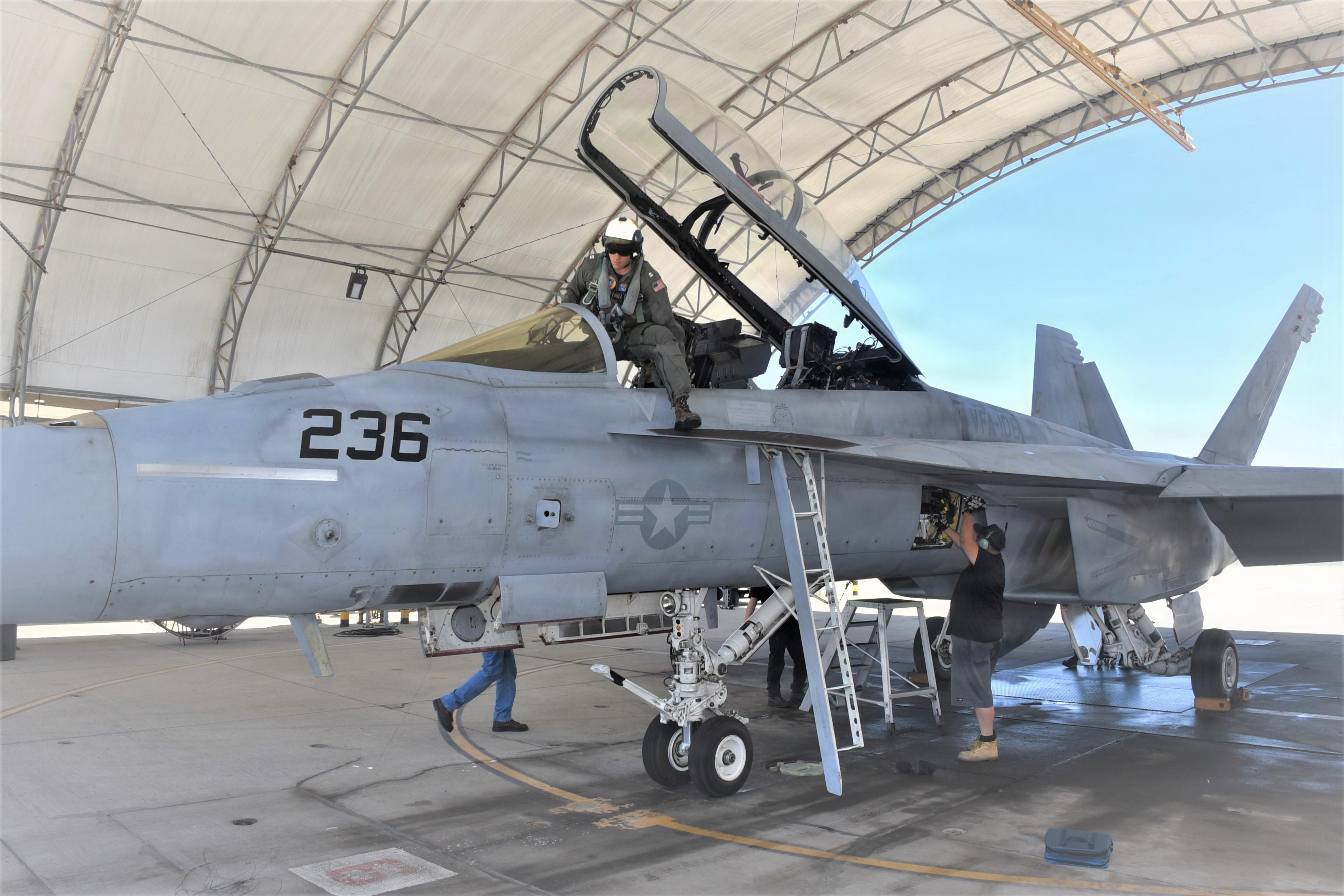
Composite repair time for F/A-18 Super Hornets could be cut by 50% with a groundbreaking 3D-printing repair method.
Advances in additive manufacturing are reaching a point where they can be practically implemented in critical defence applications, driven by a need for efficiency and capability sustainment.
This development indicates a tangible step towards more efficient and resilient military logistics and maintenance, directly impacting operational readiness and cost-effectiveness for legacy systems.
The ability to rapidly repair complex composite parts for critical military aircraft through 3D printing significantly reduces turnaround times and supply chain dependencies for maintenance.
- · US Navy
- · Defence maintainers
- · Additive manufacturing companies
- · F/A-18 operations
- · Traditional defence repair contractors
- · Legacy spare parts logistics
Reduced downtime for F/A-18 Super Hornets due to faster composite repairs.
Increased operational availability and readiness rates for the fighter fleet.
Broader adoption of 3D printing for on-demand repair of other complex parts across military platforms, leading to decentralized maintenance capabilities.
This signal links to a primary source. Continuum Brief monitors and indexes it as part of the live intelligence stream — we do not republish source content.
Read at Navy Times