Toyota delays Highlander BEV production as the 3-row electric SUV is put on the back burner
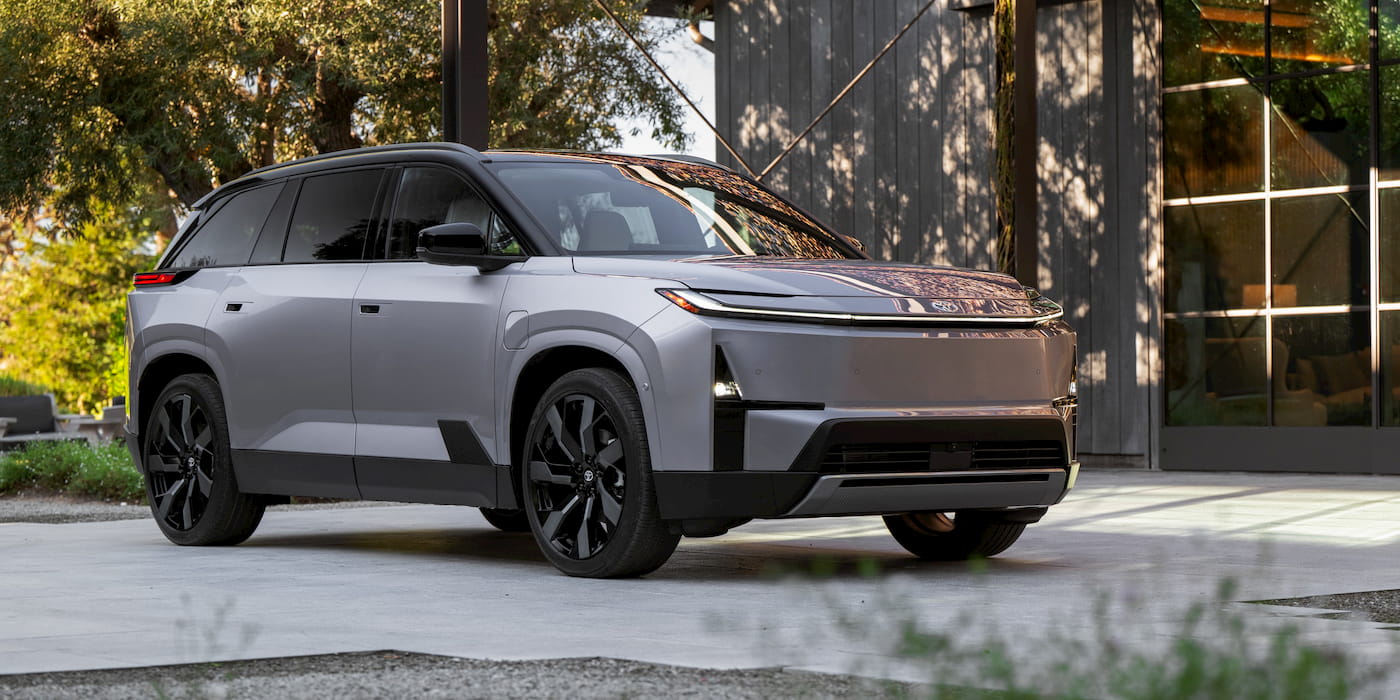
Toyota is delaying production of its first three-row electric SUV, the 2027 Highlander BEV, as it extends the current gas and hybrid models.
The delay reflects ongoing challenges in scaling BEV production and potentially a strategic shift in market focus, amidst slowing EV sales growth in some segments.
This event signals that traditional automotive giants like Toyota are recalibrating their BEV strategies, opting for incremental shifts rather than rapid transitions, which impacts the broader electrification timeline.
The competitive landscape for three-row electric SUVs remains less crowded for longer, and Toyota's commitment to hybrid and gasoline vehicles is reinforced in the medium term.
- · Hybrid vehicle manufacturers
- · Gasoline vehicle market
- · Toyota stockholders (short-term stability focus)
- · Battery electric vehicle suppliers
- · Early adopters of 3-row BEVs
- · EV charging infrastructure developers
Toyota maintains its current market share with existing hybrid and gasoline models, while competitors offering BEVs gain a temporary advantage in the three-row segment.
The extended lifecycle of internal combustion engine (ICE) and hybrid vehicles could slow down the overall transition to full battery electric vehicles globally.
This conservative approach by a major automaker like Toyota might influence other legacy players to also defer aggressive BEV rollouts, impacting climate goals and resource allocation in the automotive sector.
This signal links to a primary source. Continuum Brief monitors and indexes it as part of the live intelligence stream — we do not republish source content.
Read at Electrek