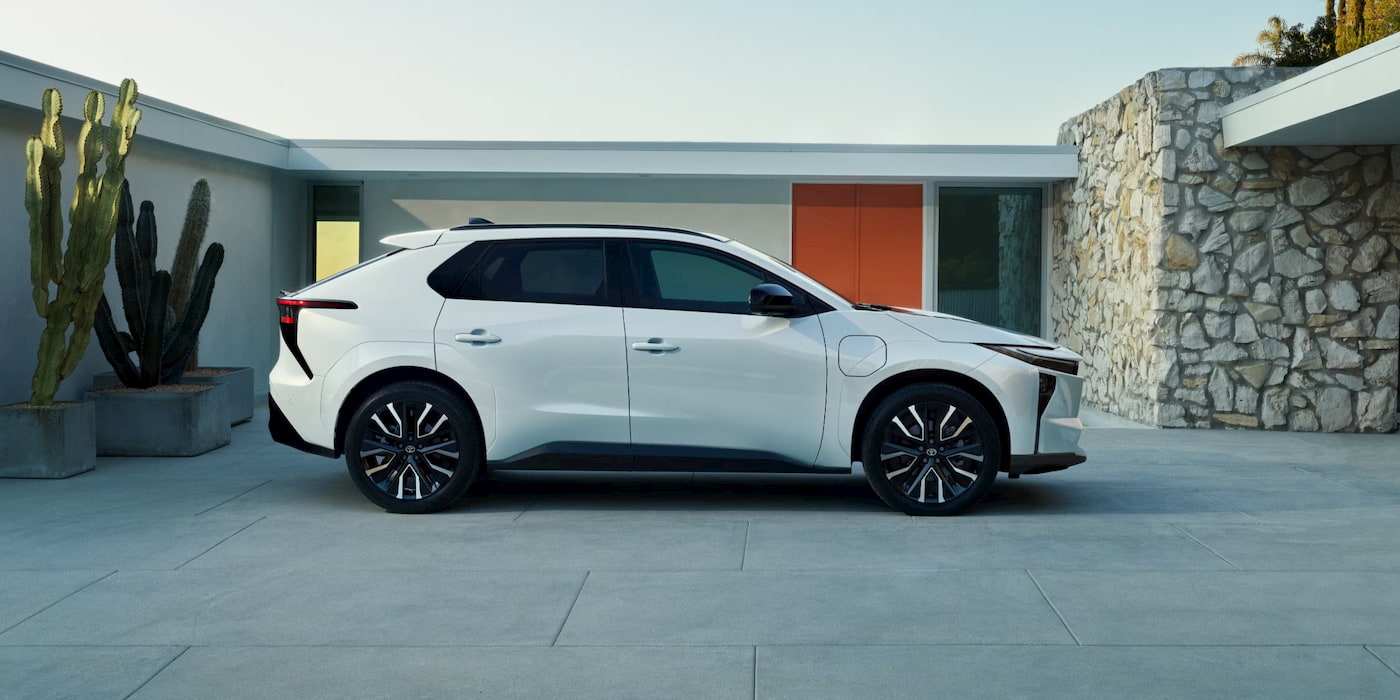
Toyota’s new electric SUVs are selling surprisingly well, becoming top-sellers in several markets. So, why is it pulling back now? more…
Despite recent success with its EV models, Toyota is reportedly slowing down its electric vehicle production and strategy, a decision that seems counterintuitive to market demand and sustainability goals.
This move by a major global automaker like Toyota could significantly impact the pace of EV adoption, supply chain dynamics for battery components, and the competitive landscape of the automotive industry for years to come.
Toyota, despite having EV models that are now selling well, appears to be recalibrating its commitment to a full electric transition, potentially indicating a continued focus on hybrid or ICE vehicles, or a re-evaluation of its market strategy.
- · Hybrid vehicle manufacturers
- · Internal combustion engine vehicle component suppliers
- · Legacy automakers not yet fully committed to EVs
- · Oil and gas industry
- · EV battery manufacturers
- · Electric vehicle charging infrastructure companies
- · EV startups
- · Countries with ambitious EV adoption targets
Toyota's decision could temper the overall market expectation for EV growth and slow down the transition away from fossil-fuel-powered vehicles.
This might lead to other legacy automakers also delaying their full EV transitions, creating a more fragmented and competitive landscape for different powertrain technologies.
Reduced EV production by a major player could impact the global supply chain for raw materials critical to EV batteries, potentially leading to oversupply in some areas and price fluctuations.
This signal links to a primary source. Continuum Brief monitors and indexes it as part of the live intelligence stream — we do not republish source content.
Read at Electrek