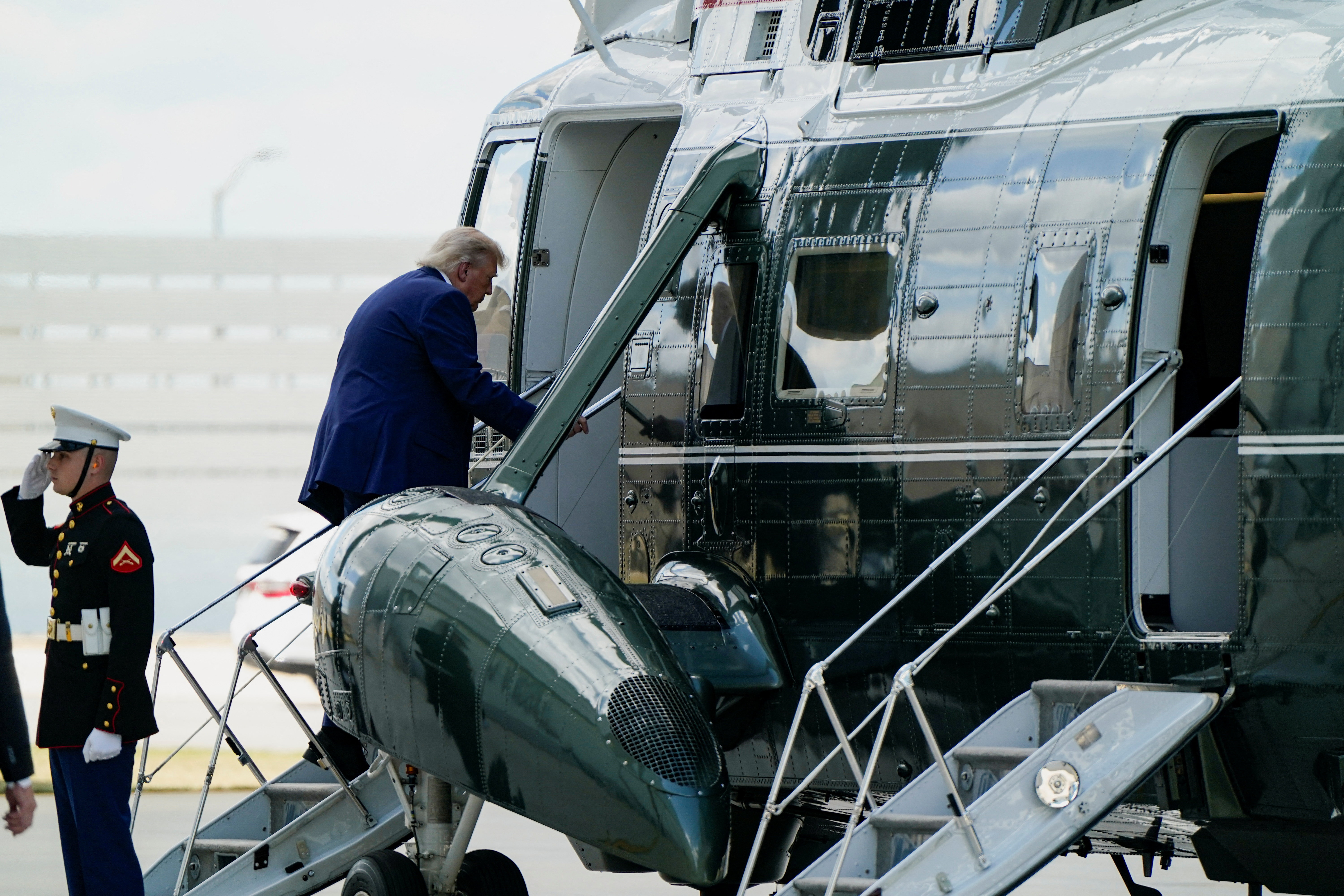
President Trump headed to Camp David on Friday for a weekend of policy and political meetings as negotiations with Iran move toward an inflection point.
The president is engaging in high-level discussions as a critical phase in negotiations with Iran is approaching, indicating significant near-term decisions are imminent.
The outcome of these negotiations could significantly alter geopolitical stability in the Middle East and impact energy markets and international alliances, demanding strategic attention.
The focus of US foreign policy regarding Iran is being intensely deliberated at the highest levels, potentially leading to a new diplomatic or confrontational stance.
- · Diplomatic factions if a deal is reached
- · Defense contractors if tensions escalate
- · Oil producers if supply is disrupted
- · Regional adversaries of Iran if diplomacy succeeds
- · Global oil consumers if supply is disrupted
- · Stability in the Middle East if negotiations fail
Intensified international diplomatic efforts or increased regional tensions will immediately follow the outcome of these meetings.
A shift in US policy could recalibrate alliances and adversarial relationships across the Middle East and beyond.
The long-term energy security landscape might be redefined depending on Iran's role in global oil markets post-negotiation.
This signal links to a primary source. Continuum Brief monitors and indexes it as part of the live intelligence stream — we do not republish source content.
Read at Navy Times