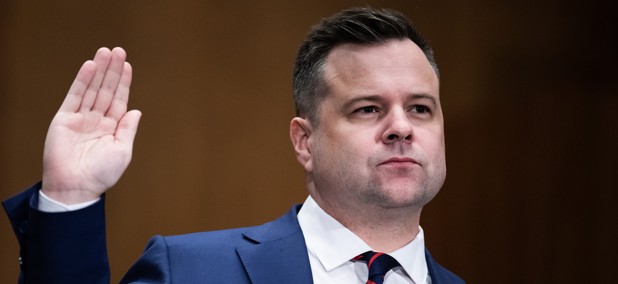
If William Pulte's appointment is not rescinded, Senate Democrats say, it could sink an extension of FISA Section 702.
The impending expiration of FISA Section 702 and the political dynamics surrounding a presidential transition are forcing immediate decisions on intelligence leadership and surveillance powers.
The potential collapse of a FISA Section 702 extension could significantly impact US intelligence gathering capabilities, affecting national security and international relations, and signaling deeper political divisions.
The consensus around critical intelligence tools is fracturing, leading to uncertainty in national security policy and potential shifts in the balance of power between the executive and legislative branches.
- · Opponents of expansive government surveillance
- · Adversarial intelligence services (potentially)
- · US intelligence agencies
- · Executive branch power
- · Bipartisan legislative cooperation
The failure to extend FISA Section 702 will curtail specific intelligence collection activities.
Reduced intelligence capabilities could lead to delayed or missed responses to emerging national security threats.
A precedent might be set for increased political interference in intelligence appointments and operations, weakening the independence of intelligence agencies.
This signal links to a primary source. Continuum Brief monitors and indexes it as part of the live intelligence stream — we do not republish source content.
Read at Defense One