TSMC CEO C.C. Wei says, ‘It will be a long time before we can meet customer demand’ — tells shareholders that he will keep prices stable, refrain from implementing price hikes
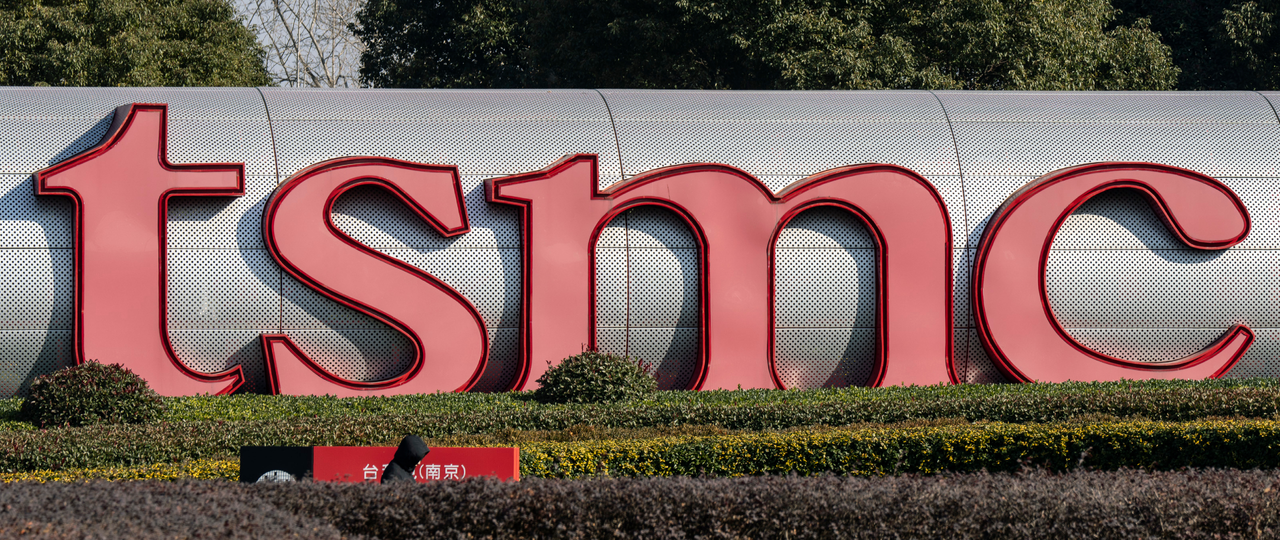
TSMC says it does not have enough capacity to handle all the demand from AI hyperscalers, with CEO C.C. Wei saying that it will take a long time before it can match customer demand. This is an opportunity for Intel, though, as companies desperate to get their hands on advanced chips might be willing to use Intel 18A or 14A nodes for their needs instead.
The explosion in demand for AI-specific chips has exposed the current limitations in advanced semiconductor manufacturing capacity worldwide, driving this announcement from a key industry player.
This indicates a critical bottleneck in the compute supply chain, directly impacting the pace of AI infrastructure development and potentially re-shaping the competitive landscape for chip manufacturers and hyperscalers.
The acute shortage of advanced chips will continue for an extended period, potentially forcing AI companies to diversify their foundry partners and possibly accept slightly less advanced, but available, manufacturing nodes.
- · Intel Foundry Services
- · AI hyperscalers willing to diversify chip suppliers
- · Semiconductor manufacturing equipment suppliers
- · AI hyperscalers solely reliant on TSMC's cutting-edge nodes
- · Smaller players unable to secure chip allocations
- · Markets expecting rapid, unconstrained AI build-out
Demand for alternative advanced manufacturing nodes like Intel 18A and 14A will surge as companies seek to mitigate supply risks.
Increased investment in foundry capacity expansion by multiple players, potentially leading to future overcapacity in the long term.
Geopolitical tensions around access to leading-edge chip manufacturing might intensify as nations prioritize securing their AI infrastructure.
This signal links to a primary source. Continuum Brief monitors and indexes it as part of the live intelligence stream — we do not republish source content.
Read at Tom's Hardware