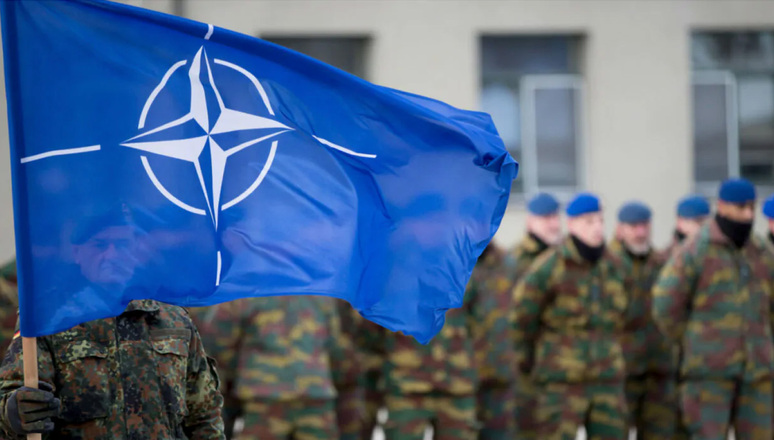
Turkey is “well-positioned to contribute” to NATO on several fronts, one analyst told Breaking Defense, but others noted distinct geopolitical sticking points.
The F35 program and ongoing geopolitical tensions, particularly regarding Russia and the Black Sea, force Turkey and European NATO allies to reassess their strategic alignments.
This item highlights the complex and often contradictory relationships within NATO, indicating potential shifts in alliances and defense postures that affect regional stability and military interoperability.
While tensions persist, there is a renewed recognition of Turkey's strategic importance to NATO, suggesting efforts to bridge divides and leverage its contributions despite historical friction.
- · NATO (increased cohesion)
- · European defense industry
- · Turkey (strategic influence)
- · Russia (reduced regional influence)
Closer military cooperation exercises between Turkey and European NATO members in key strategic areas.
Potential for increased Turkish participation in advanced Western defense projects and technologies, such as the F35.
Long-term erosion of Russian influence in the Black Sea and Eastern Mediterranean as NATO consolidates its southern flank.
This signal links to a primary source. Continuum Brief monitors and indexes it as part of the live intelligence stream — we do not republish source content.
Read at Breaking Defense — Land