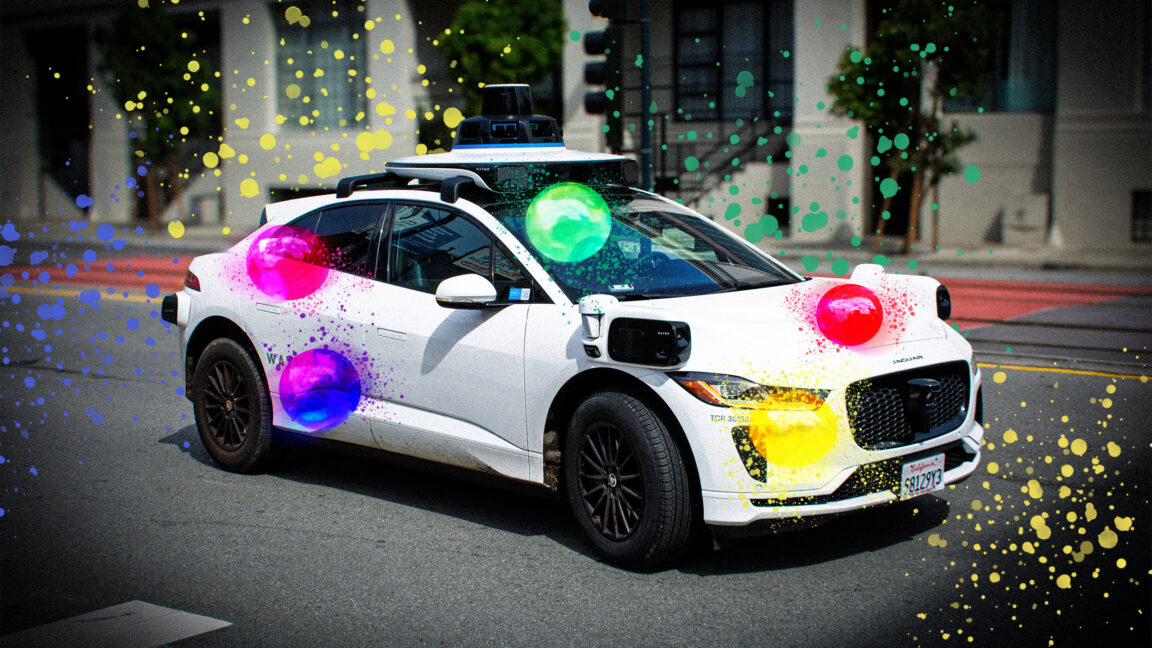
The robotaxi stopped, called 911, and waited for the San Mateo Police to show up.
The increasing deployment of autonomous vehicles in urban environments is leading to more frequent interactions with human behavior, including criminal acts, highlighting the system's reactive capabilities.
This incident demonstrates the immediate practical application of autonomous systems in public safety, showcasing their potential role beyond mere transportation and impacting regulatory frameworks and public acceptance.
Autonomous vehicles are now definitively positioned as potential active participants in law enforcement, rather than just passive observers, altering how cities and police forces might integrate this technology.
- · Waymo
- · Autonomous vehicle developers
- · Police departments
- · Public safety technology sector
- · Potential criminals targeting autonomous vehicles
- · Civil liberties advocates (if systems become too pervasive)
Autonomous vehicles will be increasingly equipped with advanced surveillance and communication capabilities for safety and security.
This event could accelerate the development of standard protocols for AV interaction with emergency services and law enforcement.
The integration of AVs into public safety networks could lead to discussions about data privacy, vehicle autonomy in criminal incidents, and the role of AI in judicial processes.
This signal links to a primary source. Continuum Brief monitors and indexes it as part of the live intelligence stream — we do not republish source content.
Read at Ars Technica — Cars