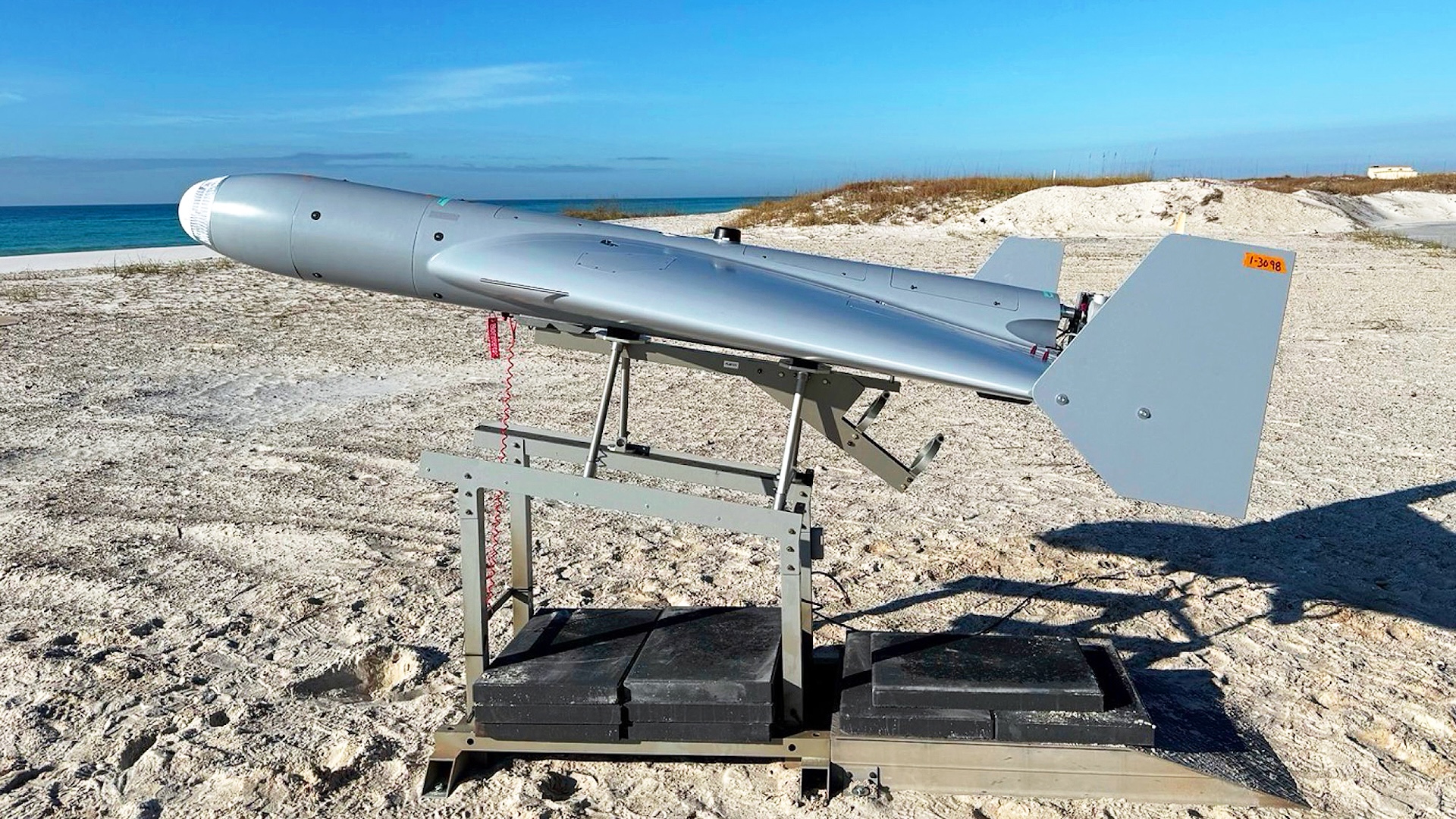
Shield AI is providing the software to unlock the combat-proven LUCAS's cooperative swarming potential, which could drastically increase its lethality. The post U.S. Military’s LUCAS Kamikaze Drone Is Getting Hivemind Swarming Capability appeared first on The War Zone .
The accelerating pace of unmanned systems development and their proven effectiveness in conflicts like Ukraine are pushing for rapid integration of advanced AI capabilities.
This development signifies a substantial leap in autonomous warfare, enabling more complex and coordinated attack strategies with reduced human oversight.
The operational ceiling for drone lethality and tactical complexity is significantly raised, potentially altering battlefield dynamics and force projection.
- · Defence contractors leveraging AI
- · US military
- · AI software developers
- · Drone manufacturers
- · Traditional air defence systems
- · Forces without similar autonomous capabilities
- · Conventional infantry tactics
Kamikaze drones like LUCAS become exponentially more effective and difficult to counter due to cooperative swarming.
This increases the impetus for other nations to develop or acquire similar hivemind drone capabilities, accelerating an autonomous weapons arms race.
The ethical and strategic implications of autonomous decision-making in swarming lethal drones become a critical international debate without clear legal frameworks.
This signal links to a primary source. Continuum Brief monitors and indexes it as part of the live intelligence stream — we do not republish source content.
Read at The War Zone