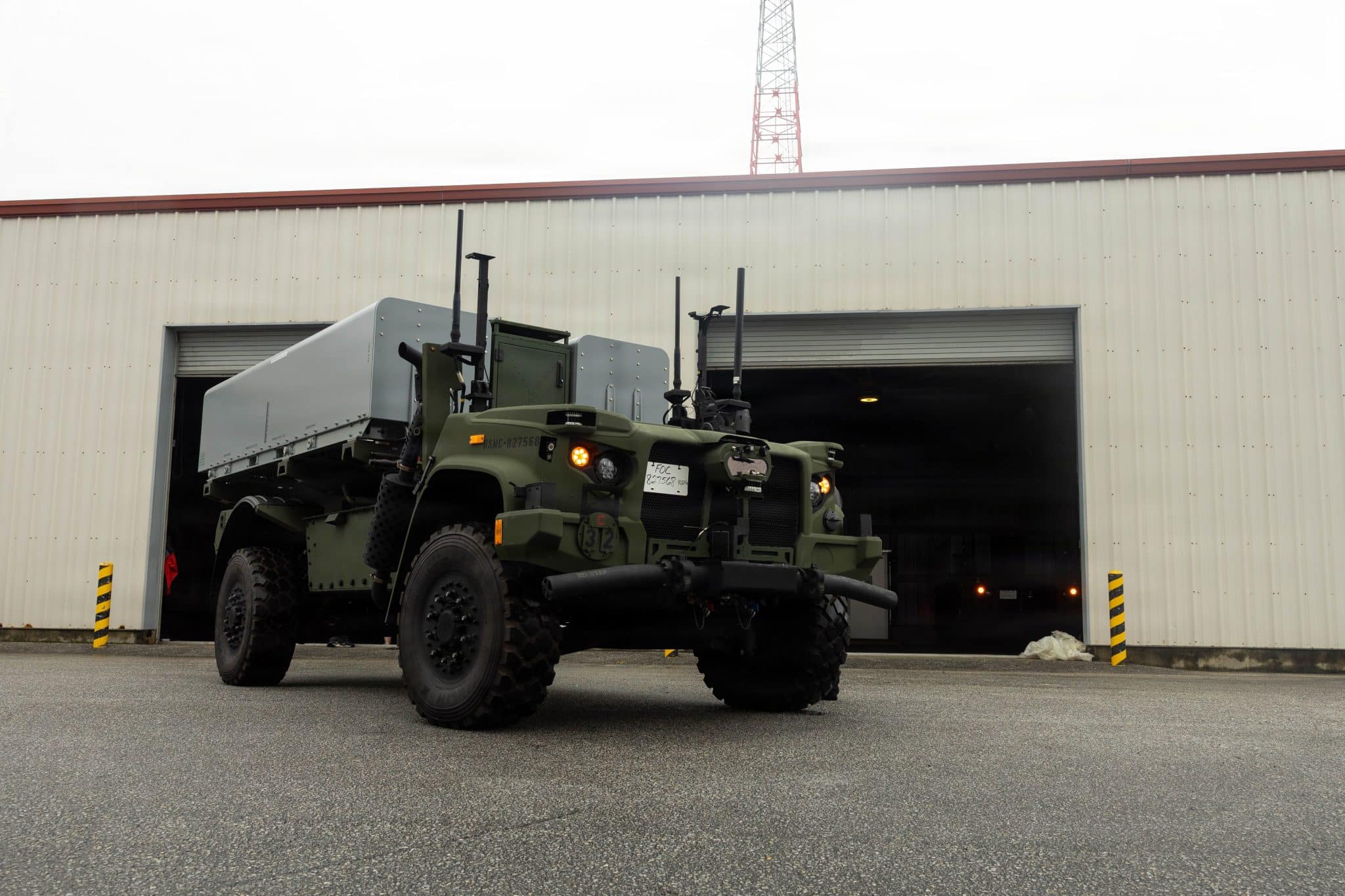
A Japan-based U.S. Marine Corps unit designed to lock down maritime chokepoints and sink naval vessels has deployed the first forward-based American anti-ship missiles along the first island chain this week. Stationed on Okinawa, Japan, the 12th Marine Littoral Regiment (MLR) is the most recent of the service’s next-generation units derived from Force Design concepts ... The post U.S. Stations Marine Anti-Ship Missiles in the Western Pacific appeared first on Naval News .
The deployment reflects evolving US military doctrine (Force Design) and increasing strategic competition in the Indo-Pacific, particularly concerning potential maritime chokepoint control.
This marks a significant strategic shift in forward-deployed anti-access/area denial (A2/AD) capabilities, enhancing deterrence and power projection in the Western Pacific.
The U.S. now has direct, forward-based anti-ship missile capabilities along the first island chain, altering regional military balances and potential conflict scenarios.
- · US Marine Corps
- · Defence contractors (missile systems)
- · Japan (host nation security)
- · Potential adversaries in the Indo-Pacific
- · Traditional naval power projection structures
This deployment immediately enhances the US's ability to deny adversary fleets access to critical maritime routes.
It will likely prompt counter-deployments and accelerated development of similar capabilities by rival nations, escalating regional arms races.
The presence of these systems could lead to a restructuring of naval engagements and a greater emphasis on distributed maritime operations by all regional actors.
This signal links to a primary source. Continuum Brief monitors and indexes it as part of the live intelligence stream — we do not republish source content.
Read at Naval News