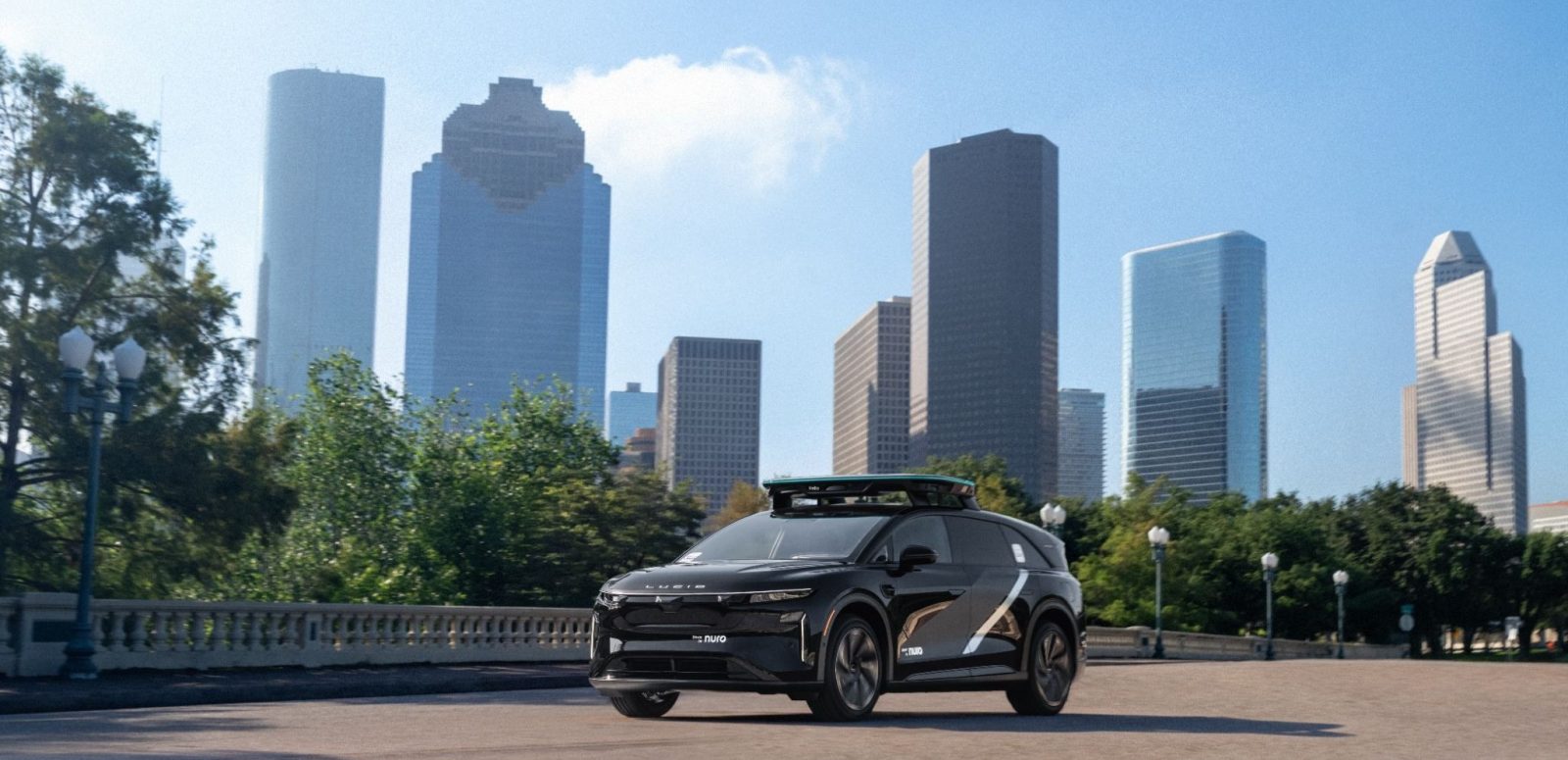
Uber , Nuro, and Lucid have picked Houston as the second city for their planned robotaxi service, with the launch in the Texas city expected in mid-2027.
The announcement reflects a strategic expansion of robotaxi services into new major urban markets, building on prior pilot programs and technological advancements. Partnerships between Uber, Nuro, and Lucid indicate a readiness to scale operations.
This move signifies increasing traction and investment in autonomous ride-hailing services, highlighting a tangible path to commercialization and broader adoption in large cities. Houston's selection as a major market suggests confidence in the technology's readiness for diverse urban environments.
Robotaxi services are moving beyond initial test markets and into a more aggressive expansion phase, indicating growing maturity and economic viability. The collaboration between ride-sharing, autonomous vehicle, and EV manufacturers suggests a converged approach to future mobility.
- · Uber
- · Nuro
- · Lucid
- · Autonomous vehicle developers
- · Traditional taxi services
- · Independent ride-share drivers
- · Personal vehicle ownership in dense urban cores
Houston will see an increase in autonomous vehicle presence and potentially a new competitive dynamic in its transport sector by mid-2027.
The successful scaling of robotaxis in Houston could accelerate their deployment in other major US cities, creating a network effect for autonomous urban mobility.
Widespread robotaxi adoption could lead to significant reductions in private car ownership, reshaping urban infrastructure, parking demands, and municipal planning.
This signal links to a primary source. Continuum Brief monitors and indexes it as part of the live intelligence stream — we do not republish source content.
Read at Electrek