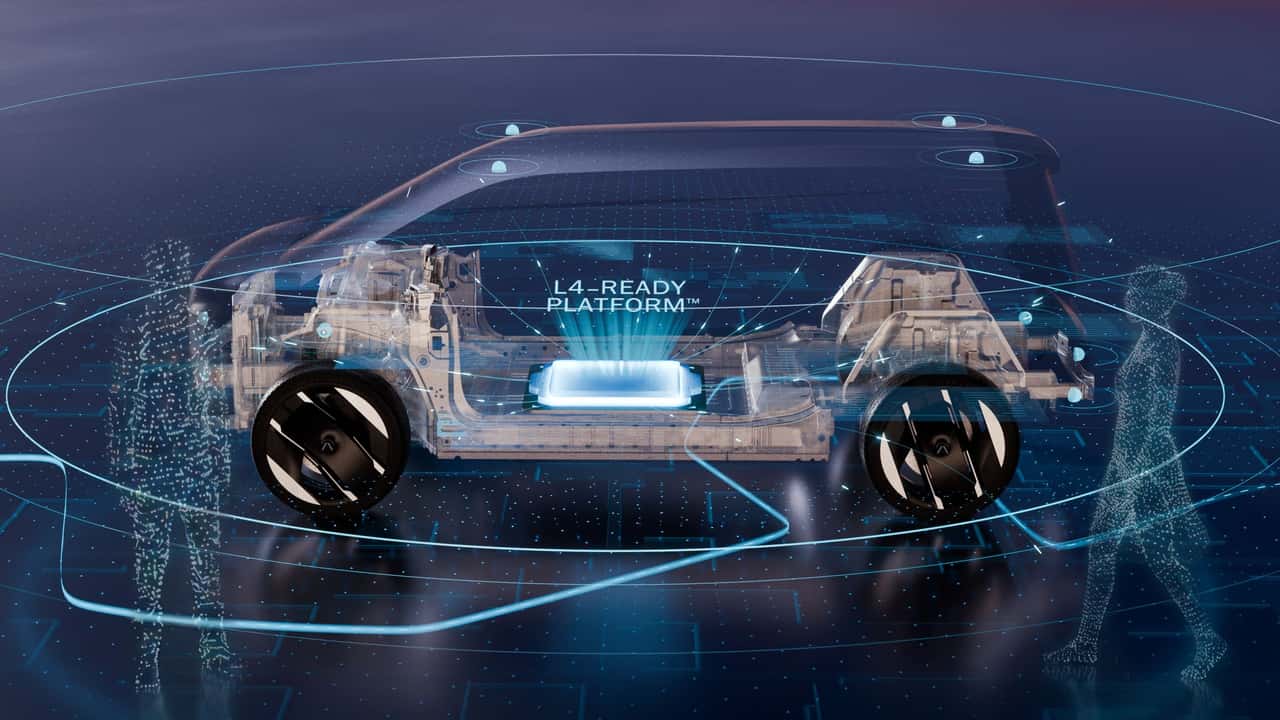
Uber seems to have spent the past year attaching itself to every major robotaxi effort it can, and now Stellantis is joining that list.
The robotaxi sector is seeing increased consolidation and strategic partnerships as companies aim for market dominance and scalability amidst ongoing technological development.
This collaboration among major players points to accelerating deployment and potential market saturation of autonomous ride-hailing services, impacting urban mobility and traditional transport significantly.
Uber's aggressive partnership strategy, now including Stellantis and Wayve, signals a concerted effort to quickly establish a broad robotaxi footprint, potentially outmaneuvering independent development efforts.
- · Uber
- · Stellantis
- · Wayve
- · Consumers (early adopters)
- · Traditional taxi services
- · Individual car ownership (long-term)
- · Smaller autonomous driving startups
Uber's robotaxi network expands significantly, challenging human-driven ride-hailing and personal car usage.
Urban planning and infrastructure will need to adapt to a high density of autonomous vehicles, potentially altering traffic patterns and parking needs.
The widespread adoption of robotaxis could reduce demand for private vehicle manufacturing over time, shifting the automotive industry's focus towards fleet management and service provision.
This signal links to a primary source. Continuum Brief monitors and indexes it as part of the live intelligence stream — we do not republish source content.
Read at InsideEVs