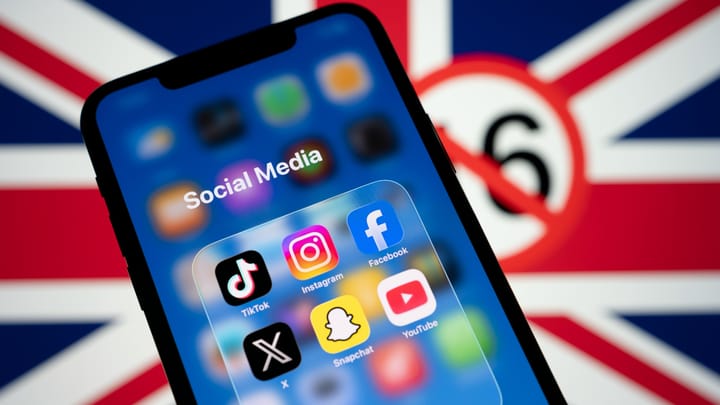
The UK will ban adolescents under 16 years old from user-to-user social-media platforms, despite age-verification issues and privacy concerns.
The UK government is responding to growing concerns about the impact of social media on adolescent mental health and privacy, leveraging increased public awareness and political will.
This policy sets a precedent for regulating social media access based on age, potentially leading to a fragmentation of global platforms and increased pressure for age-verification technologies.
The unrestricted access of minors to user-to-user social media platforms in the UK will end, requiring platforms to implement stricter age verification or face legal consequences.
- · Age-verification technology providers
- · Parental control software companies
- · Local, non-social media digital entertainment platforms for youth
- · Social media platforms relying on large youth user bases
- · Digital advertisers targeting minors
- · Globalized social media user experience
Social media companies will be forced to implement robust age-verification systems for UK users or pull out of the market for minors.
This could lead to a digital divide where UK adolescents have a different social media experience than their peers in other countries, and potentially increased use of VPNs or alternative, unregulated platforms.
Other countries may adopt similar stringent age restrictions, leading to a Balkanization of social media and a shift in how platforms design for and monetize younger audiences globally.
This signal links to a primary source. Continuum Brief monitors and indexes it as part of the live intelligence stream — we do not republish source content.
Read at Dark Reading