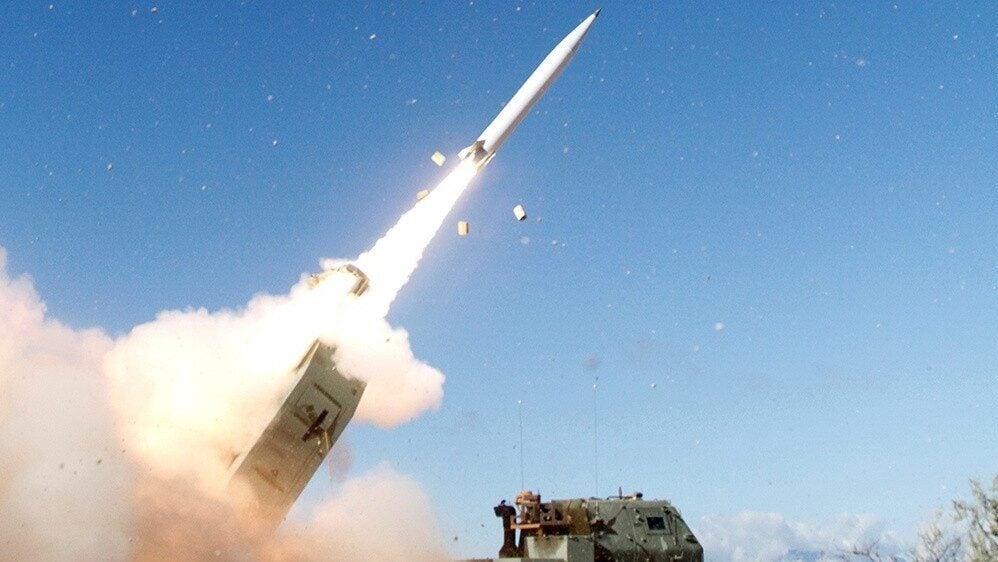
The planned buy is not designed to supplant work with Germany on a Deep Precision Strike weapon, the UK said.
The UK's decision to join the US Army's PrSM program reflects a growing urgency among Western allies to enhance long-range precision strike capabilities in the face of evolving geopolitical threats and a perceived need for greater interoperability.
This move strengthens trans-Atlantic defence integration and signals a strategic commitment to investing in advanced conventional weaponry, impacting defence industrial bases and military doctrine.
The UK diversifies its long-range missile acquisition strategy beyond European partners and deepens ties with the US on a critical next-generation weapon system, potentially influencing future AUKUS Pillar 2 collaborations.
- · US defence industry
- · UK armed forces
- · NATO and AUKUS alliance
- · Long-range precision strike capabilities
- · European defence integration (relative to US ties)
- · Rival near-peer adversaries
The UK gains access to advanced, long-range precision strike capabilities, enhancing its military projection.
This procurement decision sets a precedent for increased transatlantic defence technology sharing and potential further integration under AUKUS Pillar 2 in areas beyond submarines.
The deepened US-UK missile cooperation could prompt other European nations to re-evaluate their own long-range strike procurement strategies, potentially shifting away from purely European solutions towards US-led programs.
This signal links to a primary source. Continuum Brief monitors and indexes it as part of the live intelligence stream — we do not republish source content.
Read at Breaking Defense — Air