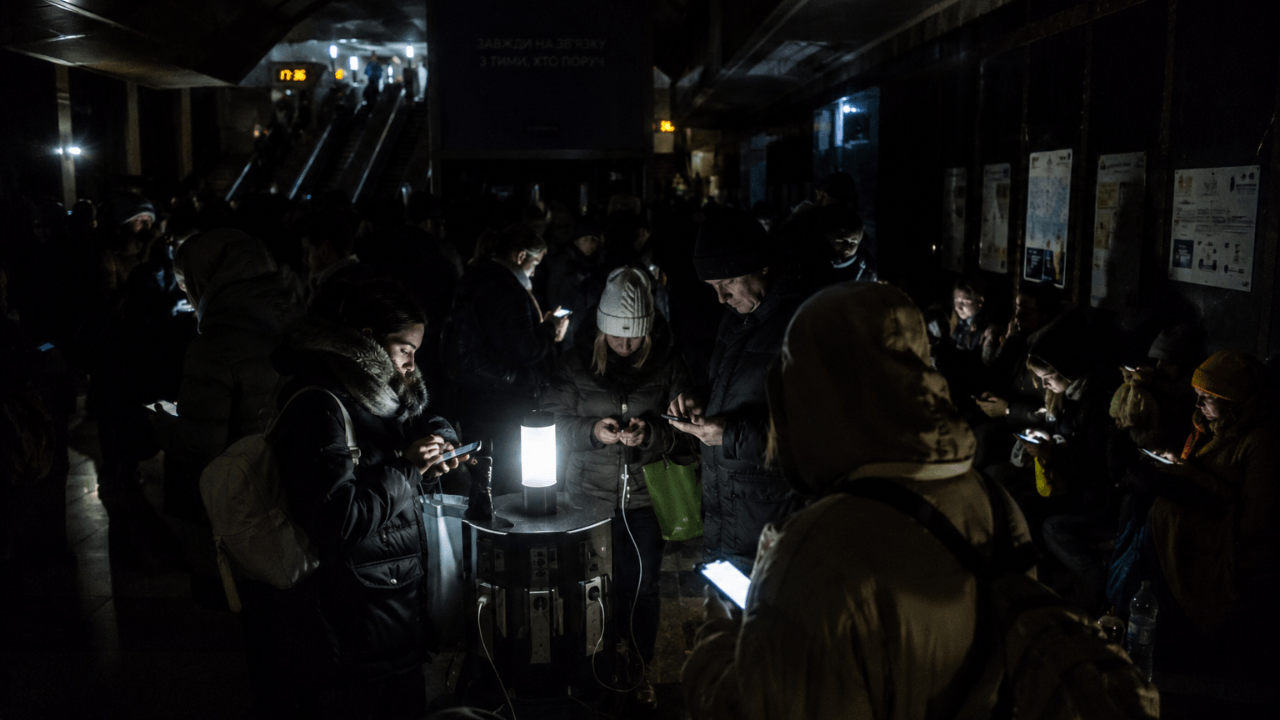
What would your life be like right now without electricity? You wake up in the dark. You can’t charge your phone or laptop or make a cup of coffee. The shower is cold. You head out to work and have to...
The ongoing conflict in Ukraine highlights the vulnerability of critical infrastructure, particularly digital and energy systems, to attacks, compelling nations to reassess their resilience strategies.
A strategic reader should care because digital resilience and energy security are foundational to national stability and economic function, and their vulnerabilities pose systemic risks across Europe.
There is a renewed focus on integrated national strategies for digital and energy infrastructure protection beyond traditional military defense, driven by real-world examples of disruption.
- · Cybersecurity industry
- · Renewable energy developers (decentralized)
- · Critical infrastructure protection companies
- · Governments investing in resilience
- · Nations with centralized, vulnerable energy grids
- · Digital infrastructure reliant on single points of failure
- · Economic sectors heavily dependent on uninterrupted power/connectivity
Increased investment in resilient grid technologies and distributed digital infrastructure across Europe.
Heightened geopolitical competition focusing on the exploitability of adversaries' critical infrastructure, potentially leading to new cyber warfare doctrines.
A potential 'digital Iron Curtain' where nations significantly segment their digital and energy systems to reduce exposure to foreign threats, impacting global connectivity and trade.
This signal links to a primary source. Continuum Brief monitors and indexes it as part of the live intelligence stream — we do not republish source content.
Read at Tech.eu