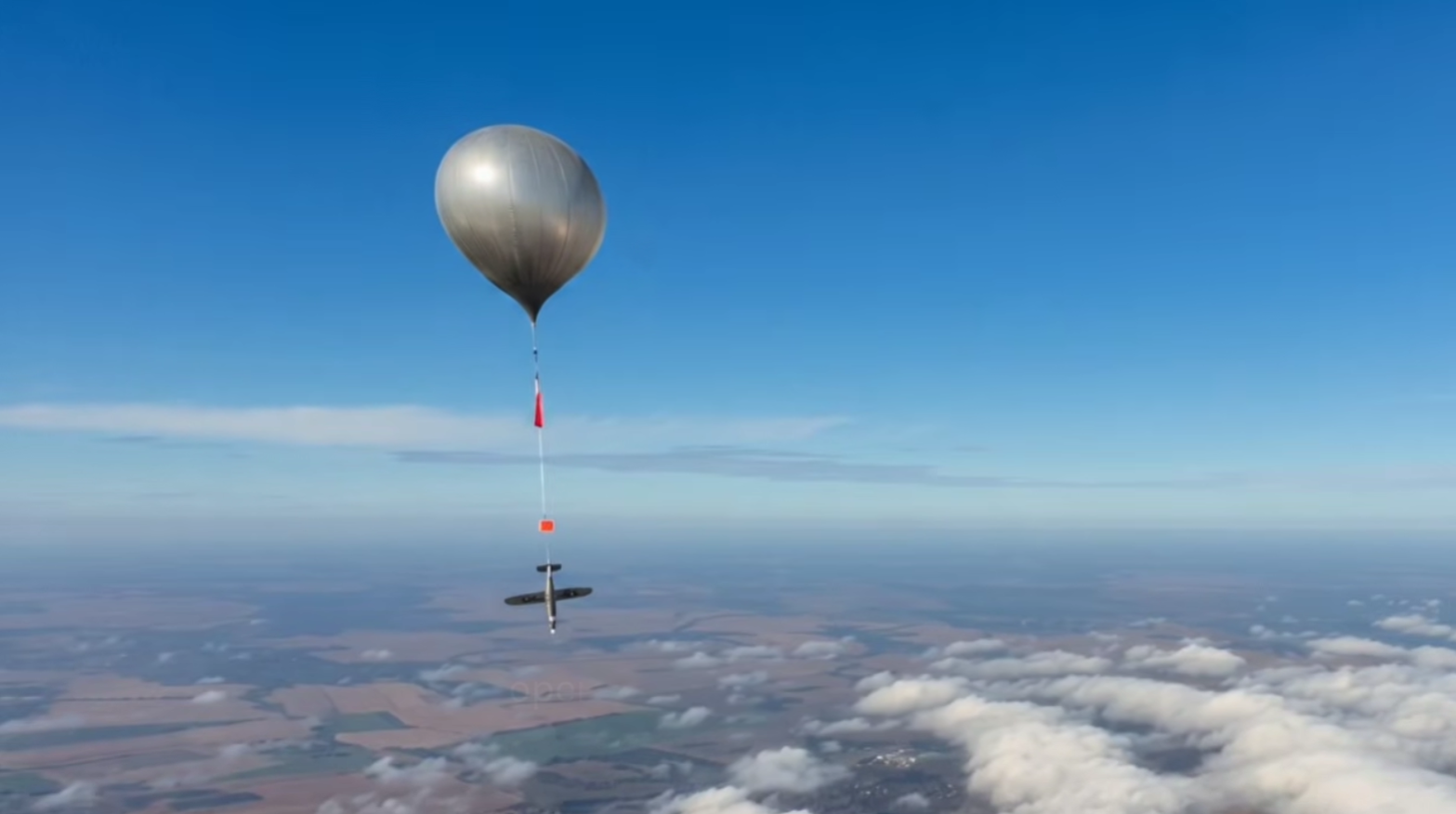
The U.S. and Russia are fielding the same balloons used by Ukraine that bait air defenses and now launch missiles.
The ongoing conflict in Ukraine is driving rapid innovation and adaptation in military technology, pushing combatants to explore unconventional and cost-effective solutions.
The deployment of weaponized balloons by multiple major powers signifies a new, accessible, and potentially hard-to-counter vector for military operations, impacting air defense strategies and costs.
The battlefield is expanding vertically with low-cost, difficult-to-intercept platforms capable of baiting defenses and launching attacks, necessitating new counter-measures and operational doctrines.
- · Unconventional defense manufacturers
- · Nations with limited air power
- · Developers of electronic warfare
- · Ukraine
- · Traditional air defense systems
- · Nations reliant on expensive air superiority
- · Russia
Increased development and deployment of inexpensive, autonomous aerial platforms for reconnaissance, decoy, and strike missions.
A shift in air defense investment towards capabilities that can effectively detect and neutralize low-observable, slow-moving, and mass-deployed aerial threats.
Potential for proliferation of low-cost, high-impact aerial weapon systems to non-state actors, complicating international security.
This signal links to a primary source. Continuum Brief monitors and indexes it as part of the live intelligence stream — we do not republish source content.
Read at Defense News