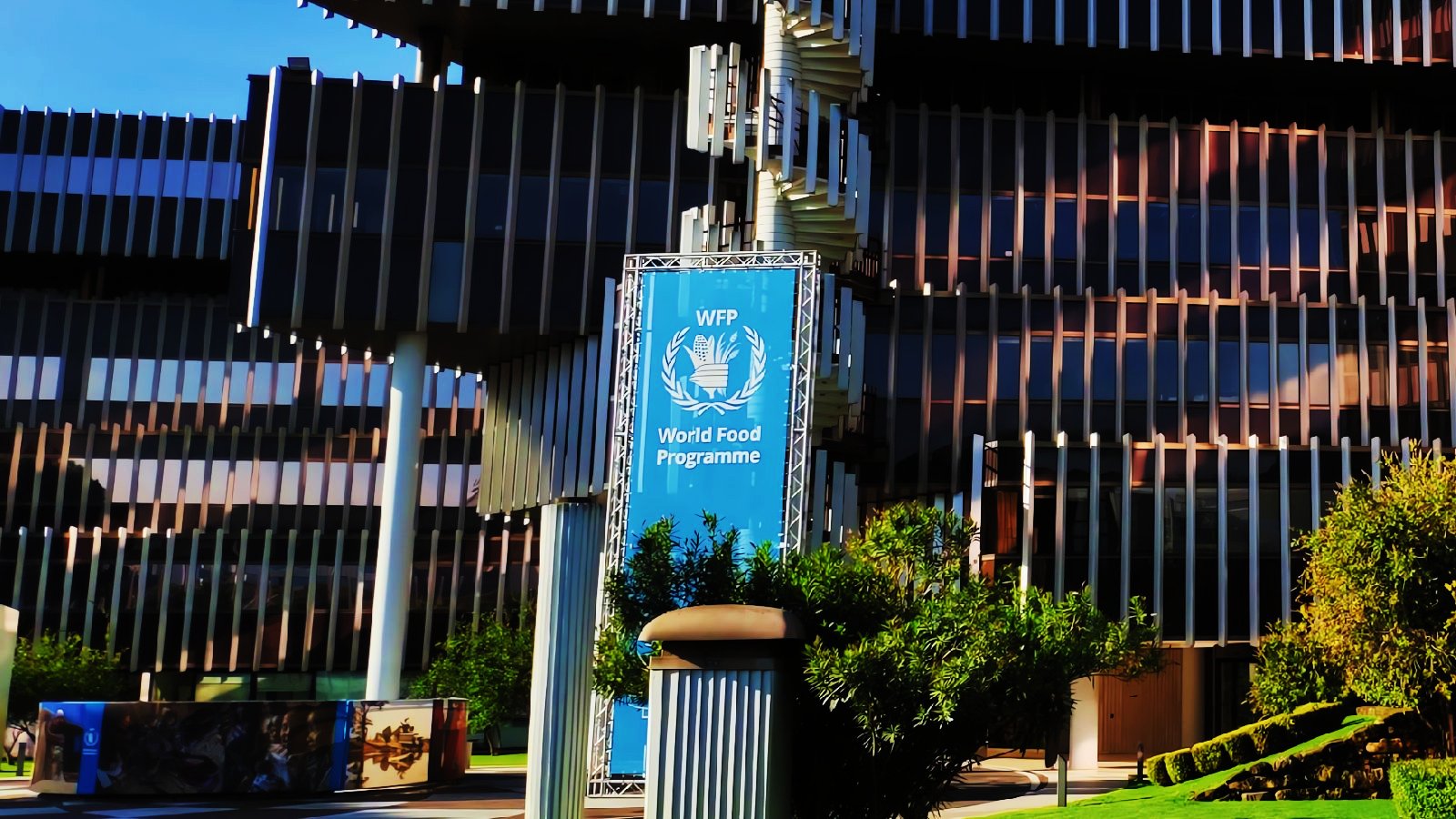
The United Nations' World Food Programme (WFP), the world's largest humanitarian organization, revealed over the weekend that its self-registration application (SRA) for Palestine was breached. [...]
The ongoing conflict and humanitarian crisis in Gaza make UN aid agencies a prime target for cyberattacks, exploiting digital vulnerabilities amidst chaos.
This breach highlights the critical and often overlooked cybersecurity risks faced by humanitarian organizations operating in conflict zones, impacting vulnerable populations.
Aid organizations will likely face increased scrutiny regarding their data protection practices, especially for sensitive beneficiary information in high-risk regions.
- · Cybersecurity firms specializing in humanitarian aid protection
- · Adversarial state or non-state actors
- · World Food Programme (WFP)
- · Households in Gaza reliant on aid
- · Beneficiary data privacy
Sensitive personal data of 600,000 Gaza households is compromised, potentially exposing individuals to various risks.
Public trust in digital aid distribution systems and international aid organizations may erode, complicating future humanitarian efforts.
Adversaries could leverage stolen data to identify, exploit, or manipulate vulnerable populations, exacerbating humanitarian crises and instability.
This signal links to a primary source. Continuum Brief monitors and indexes it as part of the live intelligence stream — we do not republish source content.
Read at BleepingComputer