Undersea cable connecting Egypt and Syria has been cut, state-owned telecom operator says — Damascus blames 'systematic sabotage campaign' as cause of damage
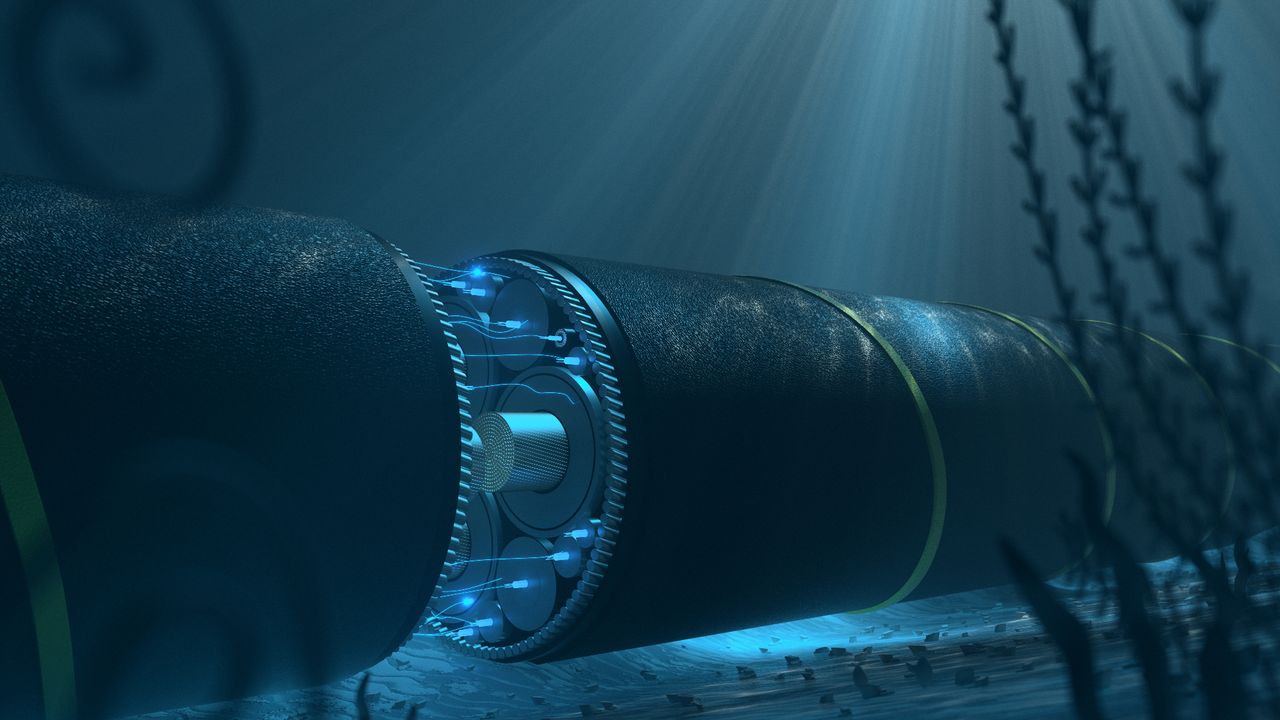
The Syrian government blamed a third party for the damage on its undersea cable that connects it to Egypt. Damascus didn't mention any specific state or non-state actor, but its location makes it a prime target for disruption.
The increased geopolitical instability in the Middle East has made critical infrastructure, like undersea cables, prime targets for disruption, reflecting ongoing regional conflicts and rivalries.
Undersea cable damage highlights the vulnerability of global and regional communication infrastructure, posing significant risks to economic activity, information flow, and national security for involved parties.
The disruption of a critical data link between Egypt and Syria underscores the immediate operational risks to connectivity and the potential for cyber or physical attacks on global internet infrastructure.
- · Geopolitical rivals of Syria
- · Satellite communication providers
- · Syrian telecom operators
- · Egyptian telecom operators
- · Businesses reliant on regional connectivity
Syria experiences internet and communication outages, impacting state functions and public access.
Increased investment and focus by nations on securing critical undersea cable infrastructure and exploring redundant connectivity options.
Escalation of proxy conflicts in the region, with infrastructure sabotage becoming a more frequent tactic.
This signal links to a primary source. Continuum Brief monitors and indexes it as part of the live intelligence stream — we do not republish source content.
Read at Tom's Hardware