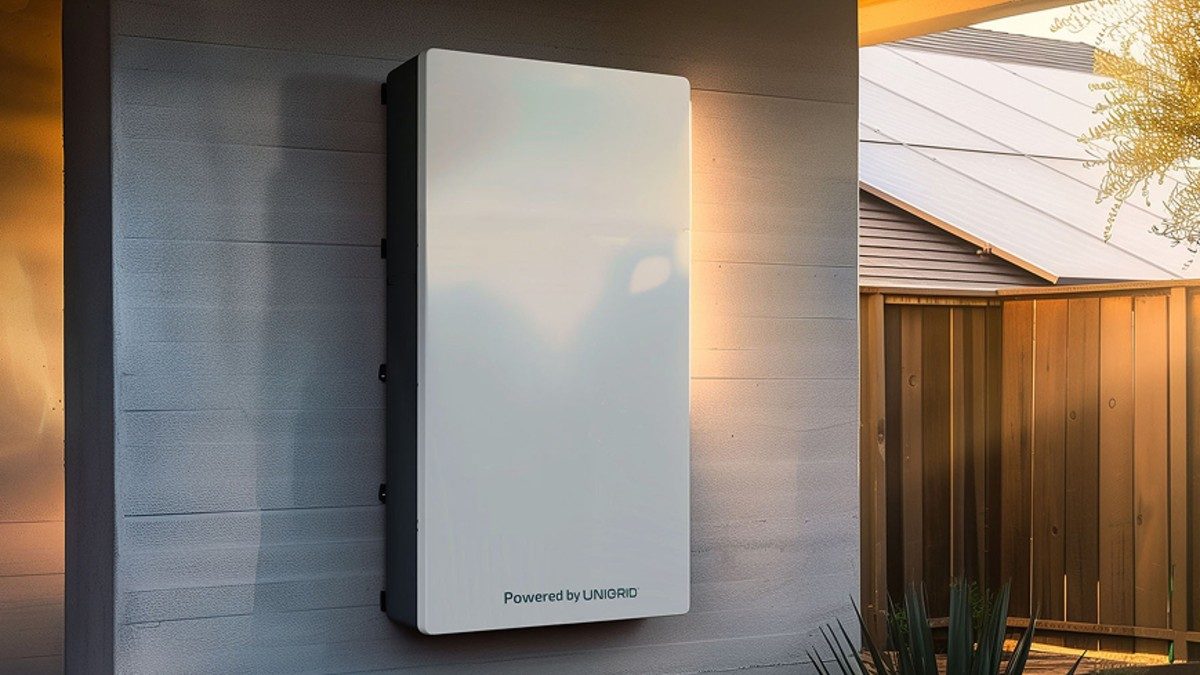
Lithium-ion has long dominated home battery storage, but sodium-ion is starting to make its move. Sodium-ion battery startup UNIGRID has shipped the first units of its Na+Casa residential battery, with the first systems now installed in homes across Europe.
Sodium-ion battery technology has matured sufficiently to reach commercial deployment in residential applications, prompted by ongoing demand for energy storage.
This marks a critical step towards diversifying battery chemistry beyond lithium-ion, potentially addressing supply chain vulnerabilities and cost barriers in grid-scale and residential energy storage.
The energy storage market now has a viable, competitive alternative to lithium-ion for home batteries, which could accelerate deployment and reduce reliance on specific critical minerals.
- · UNIGRID
- · Residential energy storage consumers
- · European energy sector
- · Battery manufacturers exploring alternatives
- · Lithium-ion battery manufacturers (short-term market share)
- · Proponents of lithium exclusivity
Increased competition in the home battery market drives down prices for consumers.
Accelerated adoption of home energy storage contributes to greater grid resilience and renewable energy integration.
Reduced geopolitical pressure on lithium supply chains as sodium becomes a more prominent alternative, impacting mining investments.
This signal links to a primary source. Continuum Brief monitors and indexes it as part of the live intelligence stream — we do not republish source content.
Read at Electrek