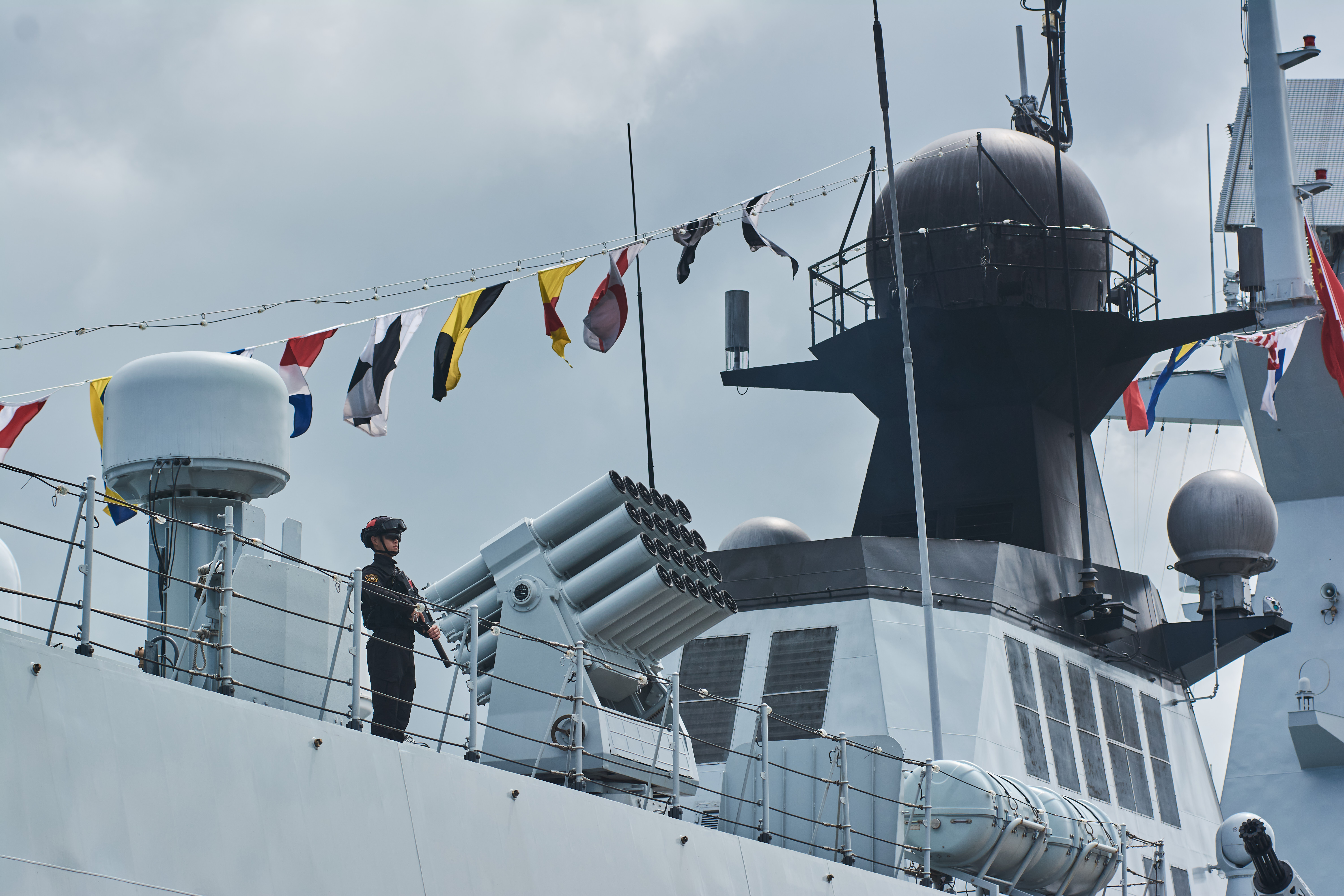
Battle-damaged U.S. warships could not be quickly repaired and returned to combat during a war with China, according to a new study by RAND.
The study by RAND highlights a critical, often-overlooked logistical weakness in potential high-intensity conflict scenarios, catalyzed by growing geopolitical tensions.
This study exposes a core vulnerability in naval power projection and sustainment, demanding a re-evaluation of current defence postures and industrial capabilities.
The focus shifts from simply building advanced warships to ensuring robust, distributed repair and maintenance infrastructure capable of operating under contested conditions.
- · Naval logistics and repair industries
- · Distributed manufacturing technologies
- · Allied nations with repair capacities
- · US Naval planners relying on current repair models
- · Traditional large, centralized naval repair facilities
- · Advocates of minimal logistics defense strategies
The US Navy will likely prioritize investments in forward-deployed repair capabilities and resilient supply chains.
This could lead to increased collaboration with allies in the Indo-Pacific for shared repair infrastructure and expertise.
The revelation might accelerate the development and adoption of modular ship designs and 3D printing for battlefield repairs.
This signal links to a primary source. Continuum Brief monitors and indexes it as part of the live intelligence stream — we do not republish source content.
Read at Defense News