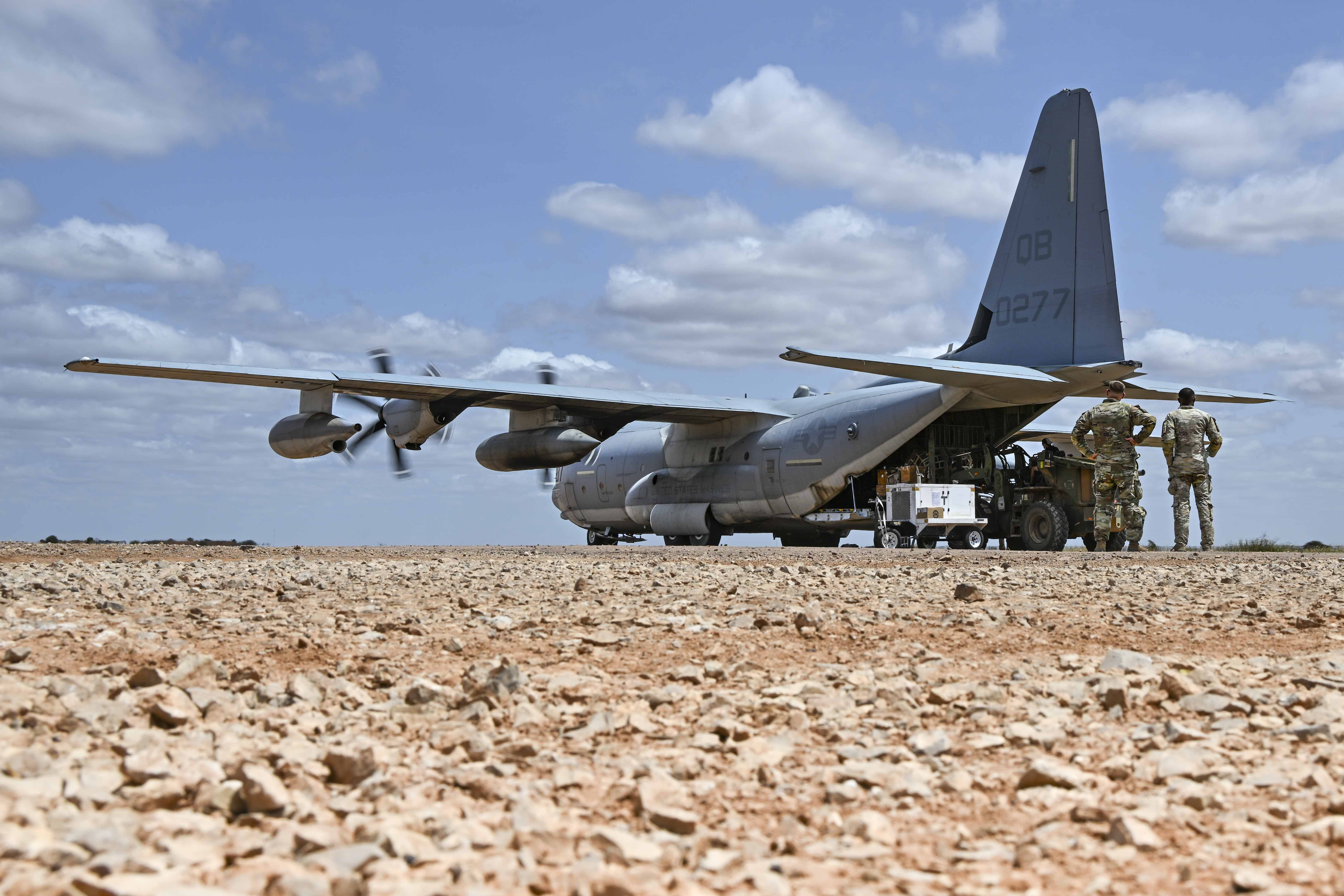
The U.S. special operations task force in Somalia is looking for contractors to advise troops on Somali politics, culture and tribal dynamics.
The increased US military presence and operational tempo in Somalia, particularly in response to regional instability and terrorist threats, necessitates a deeper understanding of local dynamics.
This indicates a growing recognition by the US military of the critical role of cultural intelligence and local expertise in effective contemporary military operations, especially in complex environments.
The US special operations approach in Somalia will likely become more integrated with local cultural and political nuances, potentially leading to more targeted and effective, but also riskier, interventions.
- · Cultural advisors/contractors
- · US special operations forces (effectiveness)
- · Local populations (if engagement improves)
- · Groups reliant on US cultural insensitivity
- · Standard military-only approaches
US military operations in Somalia become more culturally informed and potentially more effective at achieving specific tactical objectives.
Increased US involvement and understanding could lead to deeper, long-term strategic commitments or entanglements in the region.
The model of embedded cultural advisors could become a more widespread standard for US and allied expeditionary forces globally, formalizing cultural intelligence as a core operational component.
This signal links to a primary source. Continuum Brief monitors and indexes it as part of the live intelligence stream — we do not republish source content.
Read at Air Force Times