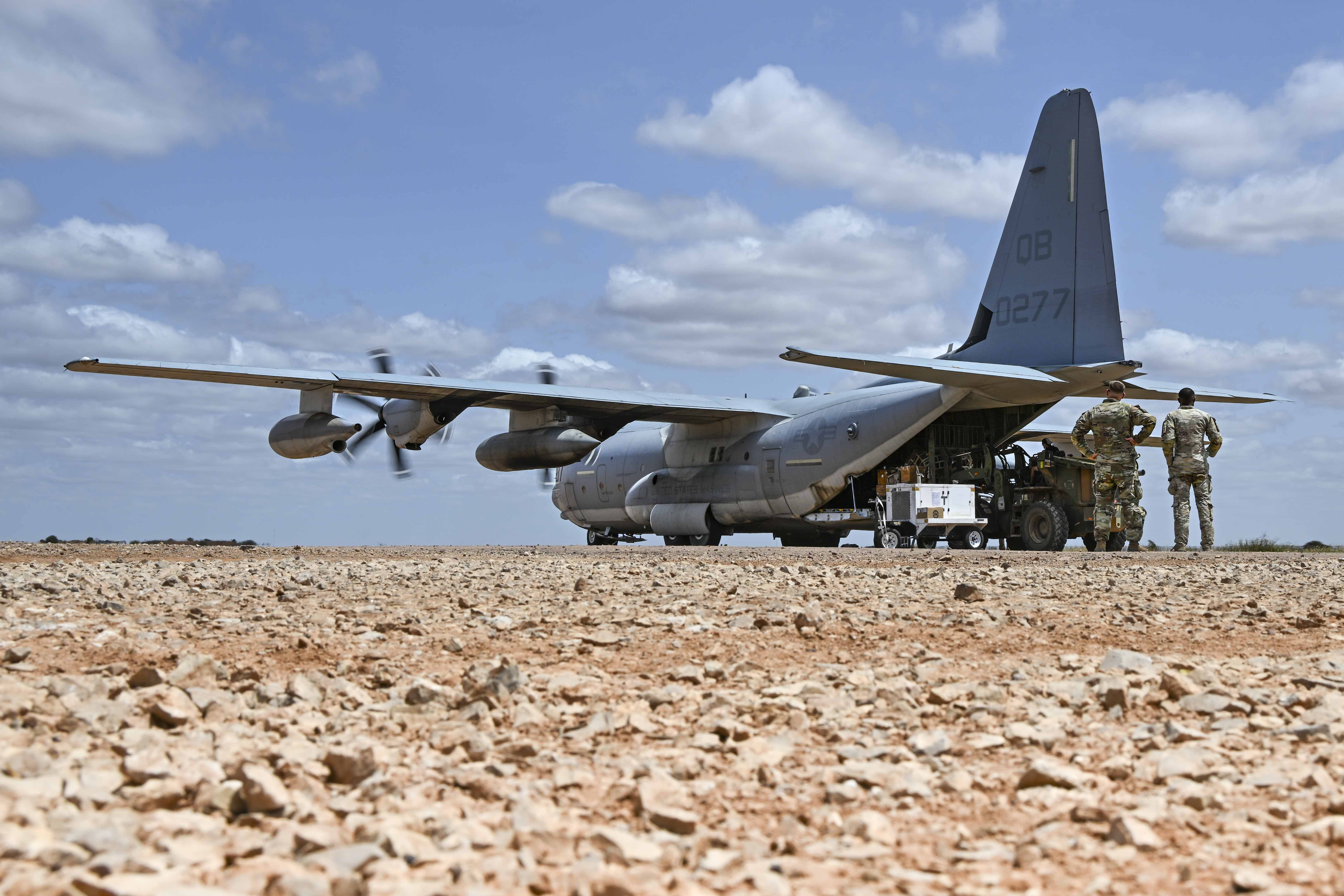
The U.S. special operations task force in Somalia is looking for contractors to advise troops on Somali politics, culture and tribal dynamics.
The US military is adapting its strategy in Somalia, recognizing the need for nuanced cultural understanding to effectively navigate complex regional dynamics amidst ongoing strikes.
This indicates a recalibration of military engagement, emphasizing soft power and cultural intelligence as crucial components alongside hard power in contemporary conflicts.
The operational approach of US special forces in Somalia will increasingly incorporate local expertise, shifting from a purely kinetic focus to one that integrates socio-political awareness.
- · Cultural advisors/contractors
- · US special operations effectiveness
- · Local governance in Somalia (potentially)
- · Insurgent groups relying on local grievances
- · Traditional military-only engagement models
The immediate effect will be improved information gathering and decision-making for US forces in Somalia.
This could lead to more targeted operations, reduced civilian casualties, and potentially stronger local partnerships.
Long-term, it may establish a precedent for similar advisory roles in other complex geopolitical environments, evolving military doctrine.
This signal links to a primary source. Continuum Brief monitors and indexes it as part of the live intelligence stream — we do not republish source content.
Read at Navy Times