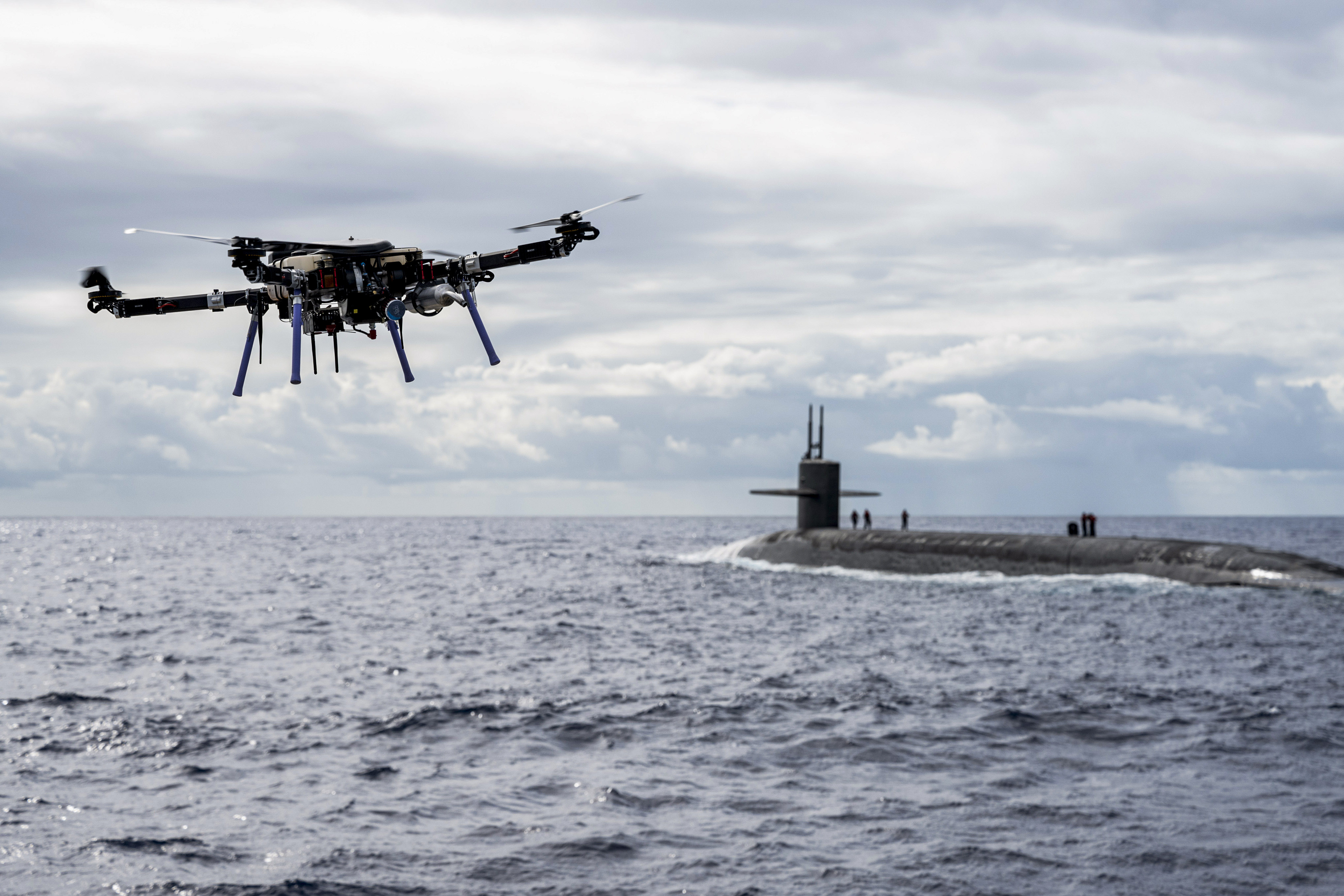
The U.S. Navy is searching for better methods of protecting its missile subs, as well as the shore installations that support them.
The proliferation of inexpensive drone and anti-tank rocket technology is democratizing defensive and offensive capabilities, forcing navies to rethink traditional security paradigms for high-value assets.
The vulnerability of ballistic missile submarines (SSBNs) to increasingly accessible threats represents a fundamental challenge to strategic deterrence and national security, demanding urgent adaptation.
The perceived invulnerability of SSBNs and their supporting infrastructure is being re-evaluated, necessitating new defensive strategies and potentially impacting strategic force posture and procurement.
- · Defence Tech companies (counter-drone/anti-armor)
- · Naval architects (survivability focus)
- · Cybersecurity firms (port security)
- · Traditional naval defence contractors
- · Submarine-focused industrial base (without adaptation)
- · Legacy security protocols
Increased investment in active and passive sub-surface and shore-based defensive systems.
Revision of deployment strategies for SSBNs, potentially increasing operating depths or escort requirements.
A global arms race in anti-submarine and counter-drone technologies, shifting power dynamics in naval warfare.
This signal links to a primary source. Continuum Brief monitors and indexes it as part of the live intelligence stream — we do not republish source content.
Read at Navy Times