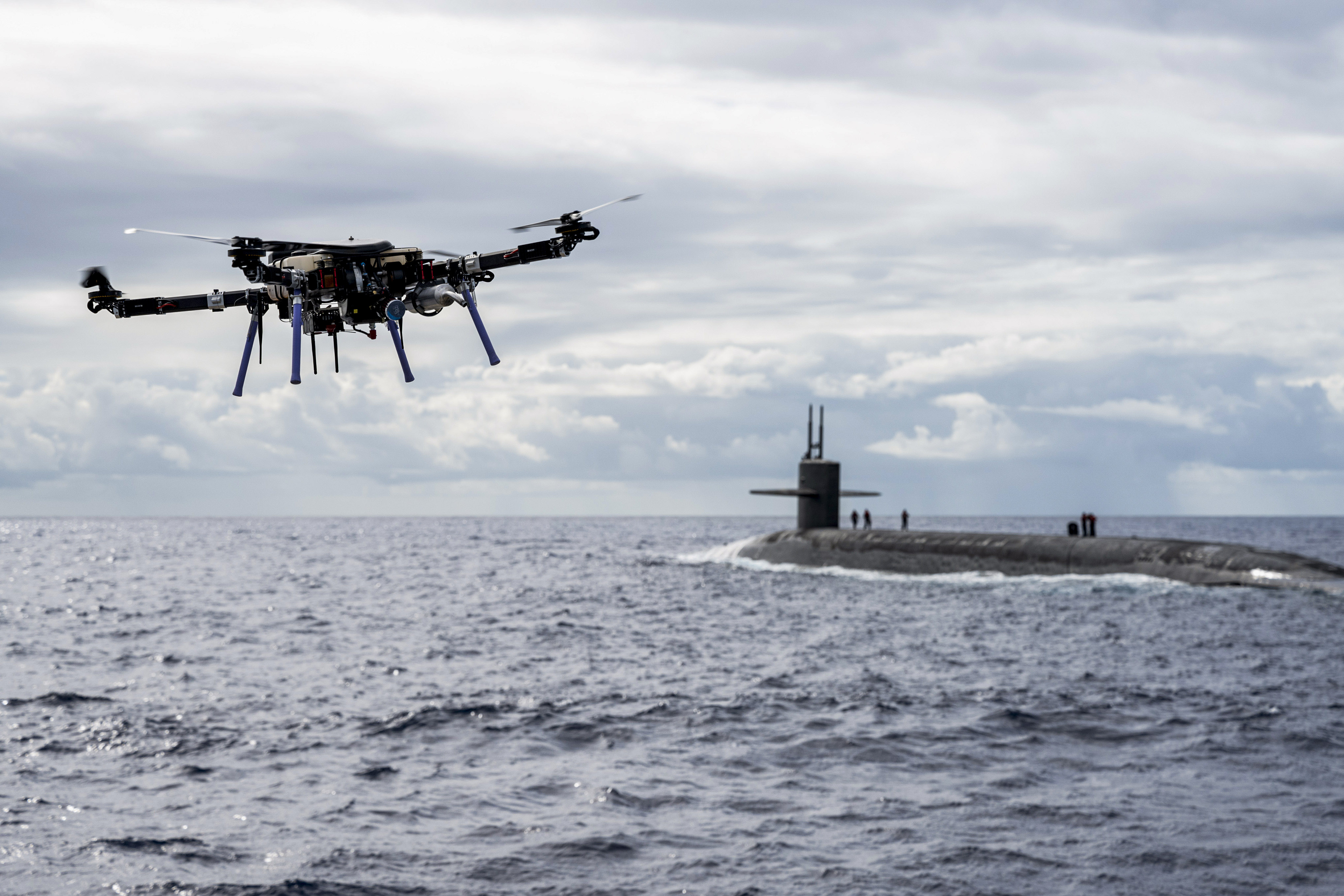
The U.S. Navy is searching for better methods of protecting its missile subs, as well as the shore installations that support them.
The proliferation and increasing sophistication of low-cost drones and anti-tank weapons are creating new vulnerabilities for previously secure strategic assets.
This highlights a fundamental shift in naval defense, where advanced adversaries or even non-state actors could threaten critical deterrent capabilities like ballistic missile submarines (SSBNs) and their support infrastructure.
The perceived invulnerability of strategic nuclear deterrents like SSBNs is being challenged, necessitating a rapid evolution in protective measures and naval doctrine.
- · Defense contractors specializing in anti-drone and layered defense systems
- · Naval security and anti-access/area denial (A2/AD) system developers
- · Countries investing in asymmetric defense capabilities
- · Traditional naval doctrine reliant on past threat models
- · Submarine fleets without enhanced point defense capabilities
- · Shore installations with inadequate layered security
The US Navy will accelerate investment and development of counter-drone and perimeter defense technologies for both SSBNs and their support bases.
Other nuclear powers will likely re-evaluate the security of their own strategic deterrents against similar asymmetric threats.
This could lead to a strategic arms race in defensive capabilities, as global powers seek to ensure the survivability of their second-strike potential in a drone-augmented battlespace.
This signal links to a primary source. Continuum Brief monitors and indexes it as part of the live intelligence stream — we do not republish source content.
Read at Defense News