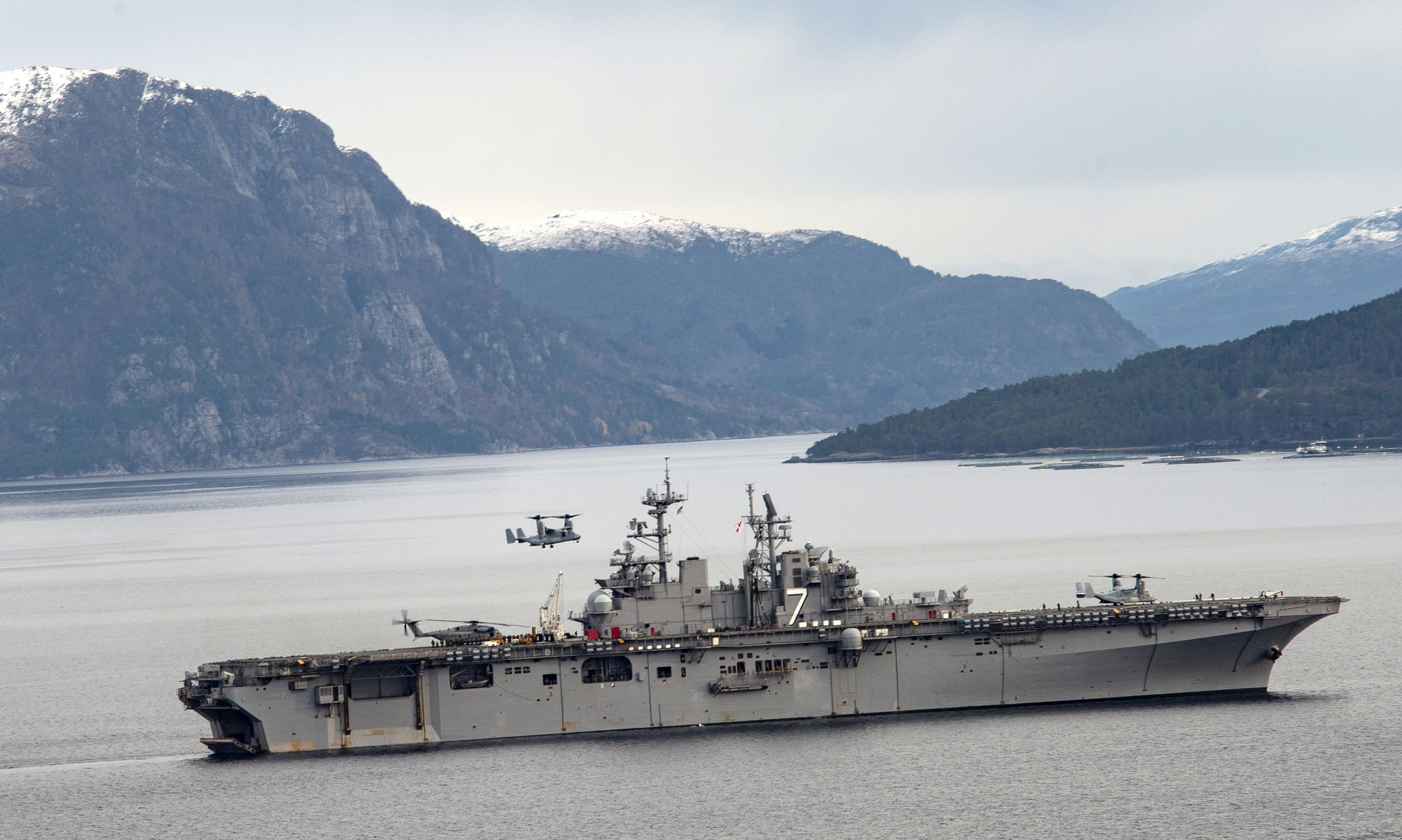
The United States reportedly plans to significantly reduce the aircraft and warships it makes available for NATO operations in Europe.
The US is likely re-evaluating its global military posture and resource allocation in response to emerging threats and domestic priorities, potentially shifting focus towards the Indo-Pacific or new defence technologies.
A strategic reader should care as this indicates a potential rebalancing of US military commitments, impacting NATO's operational capacity and influencing European defence spending and strategy.
The US will have a reduced conventional presence in Europe, potentially requiring NATO allies to increase their own military contributions and re-evaluate collective defence strategies.
- · European defence industries
- · US military operations in the Indo-Pacific
- · New US defence technologies
- · NATO's conventional force projection in Europe
- · European nations reliant on US military presence
- · Traditional US military units
NATO allies will face increased pressure to bolster their own defence capabilities and spending.
This could lead to a stronger, more self-reliant European defence bloc, or alternatively, perceived weakness and vulnerability to adversaries.
Long-term, it may accelerate European strategic autonomy and potentially shift geopolitical alignments in response to a less direct US security guarantee.
This signal links to a primary source. Continuum Brief monitors and indexes it as part of the live intelligence stream — we do not republish source content.
Read at Air Force Times