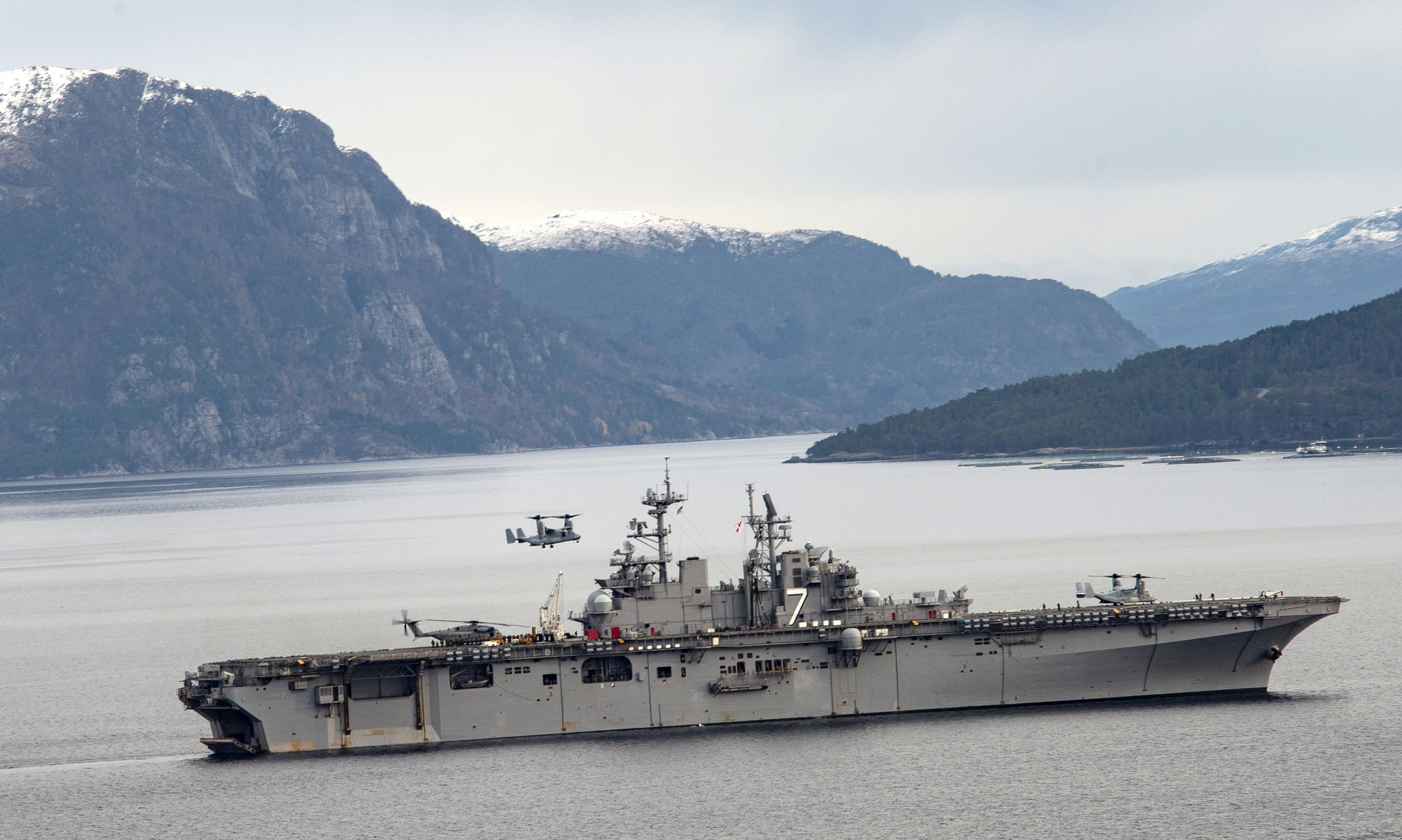
The United States reportedly plans to significantly reduce the aircraft and warships it makes available for NATO operations in Europe.
This report surfaces amidst ongoing re-evaluation of global military commitments and strategic priorities, particularly with a focus on potential conflicts in other regions and fiscal realities.
A significant reduction in US military assets in Europe could alter NATO's operational posture, place greater burden on European allies, and signal a shift in US foreign policy and defense strategy.
The immediate availability and scale of US air and naval power for European NATO operations will be diminished, potentially requiring European nations to fill capability gaps or adjust their defense planning.
- · European defense contractors
- · US Indo-Pacific forces
- · European NATO members with robust defense industries
- · NATO's collective defense capabilities (short-term)
- · US global force projection
- · European nations heavily reliant on US military presence
NATO allies will face increased pressure to boost their own defense spending and capabilities to compensate for reduced US contributions.
This shift could accelerate the 'defence-tech-recapitalisation' efforts within European nations, focusing on drones, autonomy, and indigenous production.
Long-term, a sustained reduction could lead to a more independent European defense identity, potentially influencing geopolitical alignments.
This signal links to a primary source. Continuum Brief monitors and indexes it as part of the live intelligence stream — we do not republish source content.
Read at Army Times