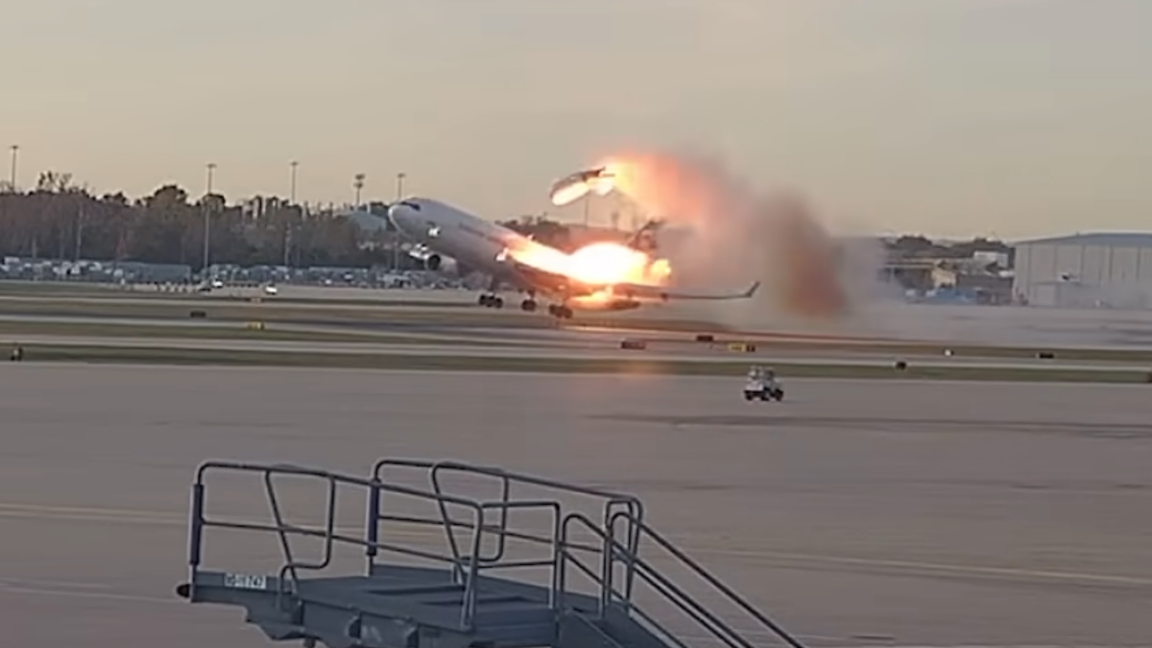
Workaround flouts law that bans NTSB disclosures of cockpit audio recordings.
The rapid advancement and accessibility of generative AI models, coupled with increasingly sophisticated audio manipulation techniques, are enabling the unauthorized recreation of voices at scale, challenging existing legal and ethical frameworks.
This highlights a growing collision between open AI capabilities and privacy/regulatory restrictions, creating new vectors for misinformation, emotional distress, and legal battles regarding digital identity and posthumous rights.
The ability of individuals to reconstruct and disseminate sensitive audio, even if ethically or legally restricted, is now effectively circumventing traditional gatekeepers, forcing a re-evaluation of data protection and algorithmic misuse.
- · Generative AI tool developers (for audio)
- · Digital forensics experts
- · Legal tech firms specializing in AI ethics
- · NTSB (National Transportation Safety Board)
- · Victims' families
- · Traditional regulatory bodies
Public outcry and increased calls for stricter regulation on generative AI, particularly concerning voice synthesis and deepfakes.
Development of countermeasures by AI companies and government agencies to detect and prevent unauthorized voice recreation and dissemination.
The blurring of lines between authentic and synthetic media could erode public trust in official recordings and lead to broader societal skepticism regarding digital evidence.
This signal links to a primary source. Continuum Brief monitors and indexes it as part of the live intelligence stream — we do not republish source content.
Read at Ars Technica — AI