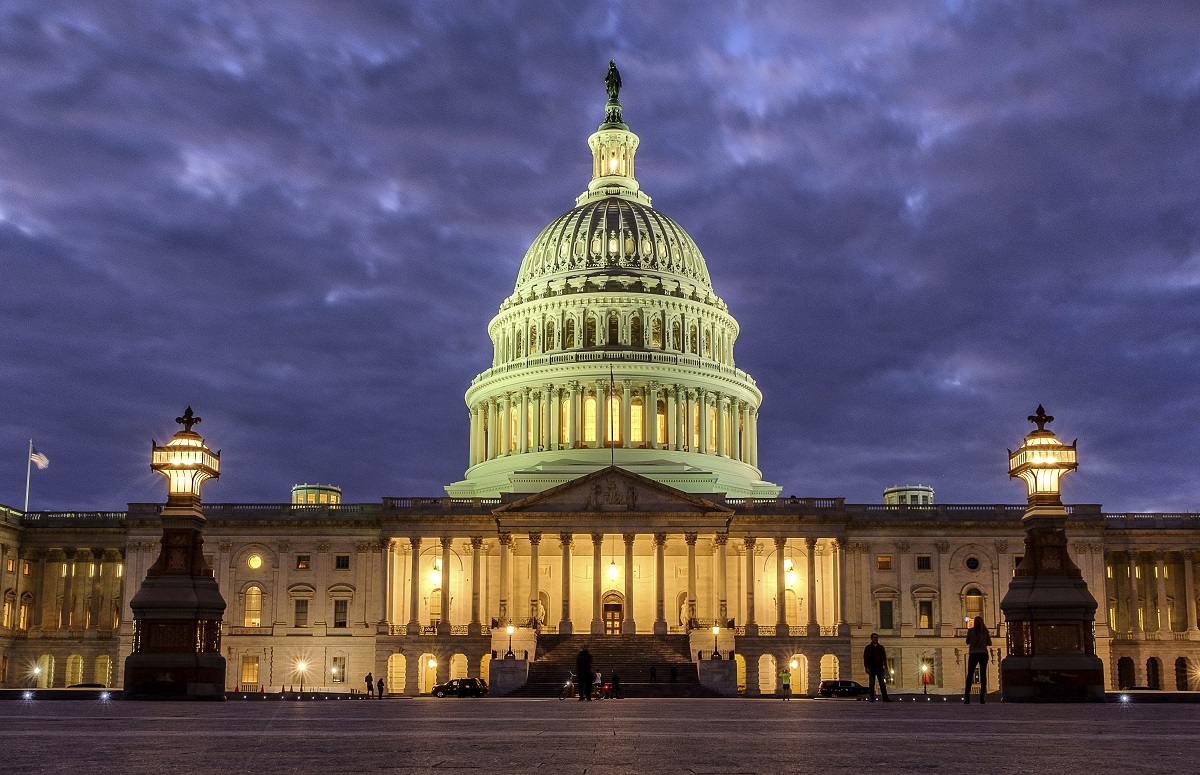
It marks the first time both chambers approved directing a president to remove armed forces from hostilities since the War Powers Act was adopted in 1973.
The US Congress is asserting its constitutional power over military engagements after prolonged debate and public pressure regarding the Iran conflict.
This event signifies a significant re-assertion of congressional oversight on military actions, potentially establishing a new precedent for future US foreign policy and military deployments.
The legislative branch is now demonstrably capable and willing to challenge presidential authority on military interventions, altering the traditional balance of power.
- · US Congress
- · Advocates for diplomatic solutions
- · Anti-war movements
- · US Presidency (executive power)
- · Defence contractors (short term)
- · Hawkish foreign policy factions
The US military will begin a withdrawal from hostilities in Iran.
Future presidential administrations will face heightened scrutiny and potential legislative roadblocks for deploying forces without explicit congressional approval.
Allies and adversaries may perceive a more constrained US foreign policy posture, potentially altering geopolitical calculations and alliances.
This signal links to a primary source. Continuum Brief monitors and indexes it as part of the live intelligence stream — we do not republish source content.
Read at Army Times