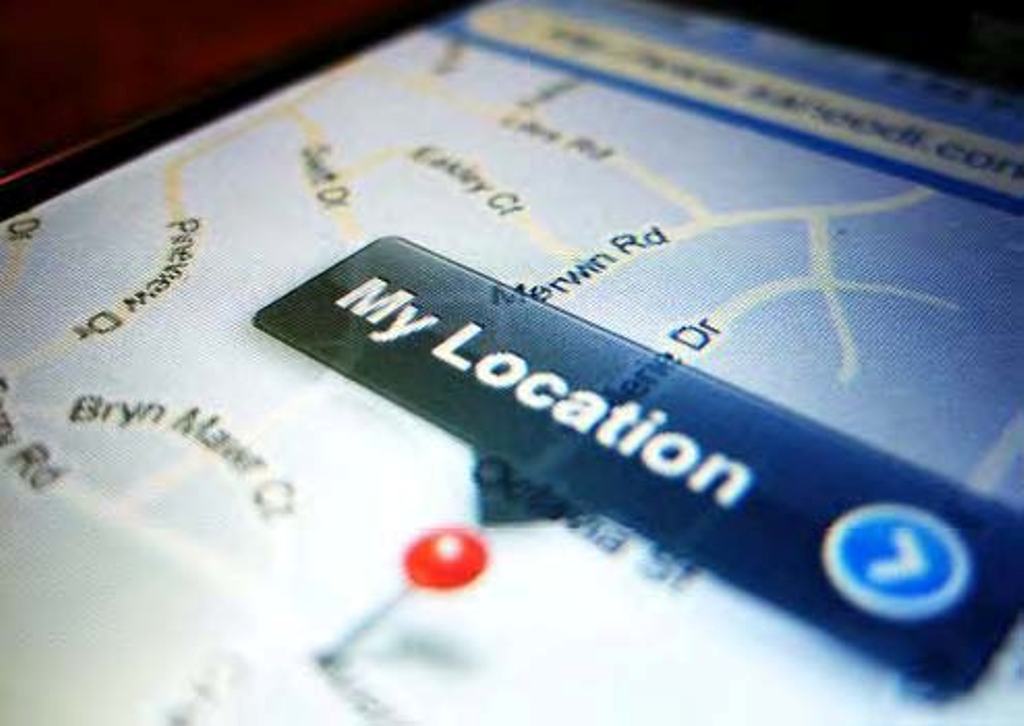
U.S. forces deployed to war zones have been targeted using commercially available location data, according to reports fielded by military officials.
The proliferation of commercially available location data and a heightened awareness of digital vulnerabilities have converged, making such targeting feasible and newly reported by military officials.
This highlights a critical vulnerability in military operations, where readily available commercial data can be weaponized against personnel, forcing a re-evaluation of data security and operational security protocols.
The operational security framework for deployed troops must fundamentally change to account for threats originating from commercial data collection and marketing practices, not just traditional intelligence vectors.
- · Defence contractors specializing in data security
- · SIGINT & cyber warfare divisions
- · Developers of secure communication protocols
- · Commercial data brokers selling location data
- · Military personnel in contested zones
- · Pentagon entities reliant on analog operational security
The Pentagon will likely restrict the use of personal devices and data-emitting technologies by deployed personnel, potentially implementing stricter data privacy regulations.
Increased pressure on technology companies to secure user data and potentially restrict access to location data in sensitive geopolitical contexts.
An emerging arms race in location-based counter-surveillance and deception technologies, blurring the lines between commercial data markets and national security.
This signal links to a primary source. Continuum Brief monitors and indexes it as part of the live intelligence stream — we do not republish source content.
Read at Air Force Times