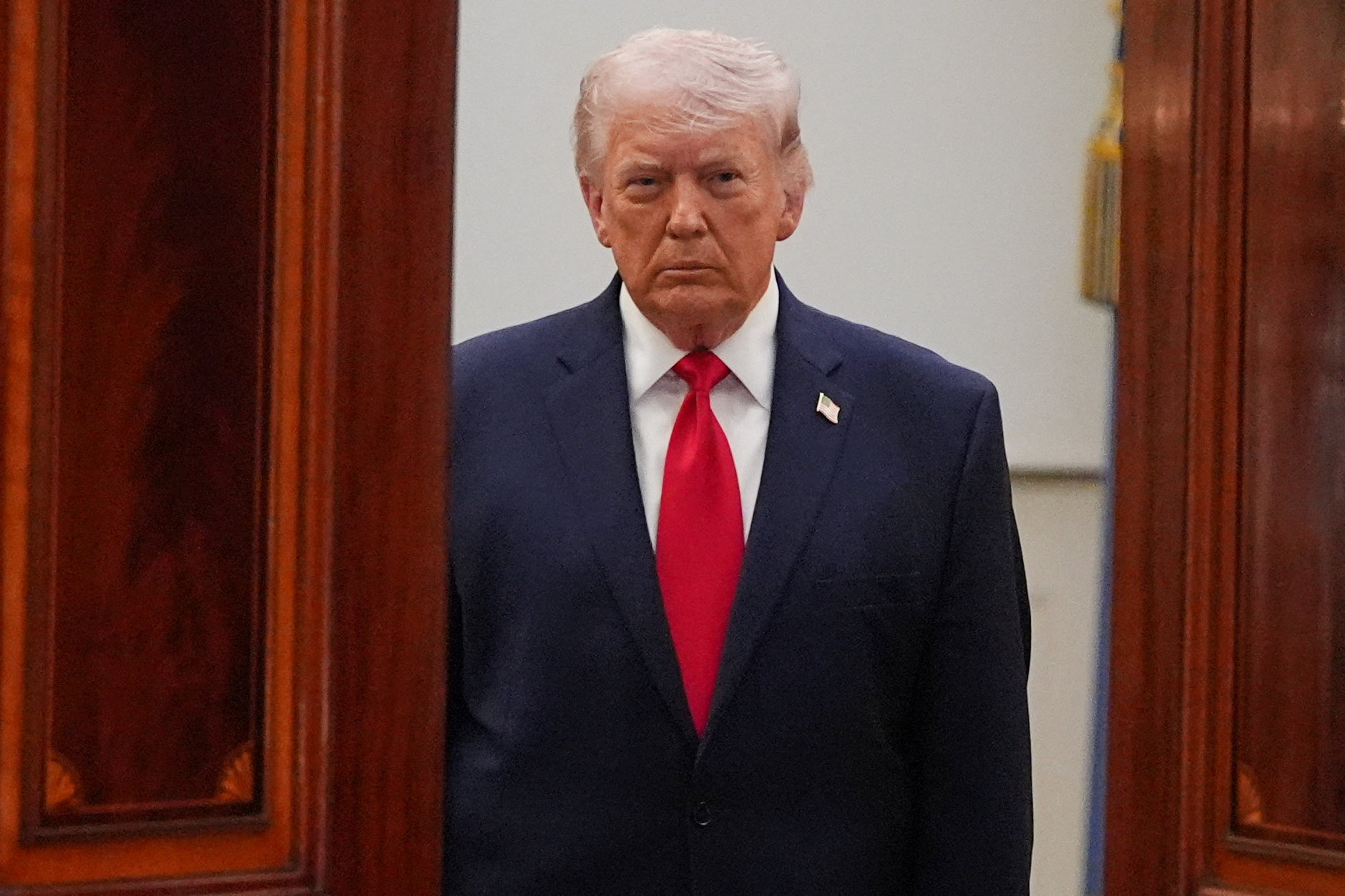
Nearly 50,000 U.S. troops are positioned across the region, according to Adm. Brad Cooper, head of Central Command.
Amidst ongoing geopolitical tensions and a recently agreed Iran agreement, the US is reaffirmining its long-standing military presence, emphasizing regional stability over de-escalation.
This indicates a continued, robust US military commitment to the Middle East, signaling to allies and adversaries that security postures are not softening despite diplomatic developments.
The explicit statement clarifies that the Iran agreement does not translate into a reduced US military footprint or a softening of its strategic posture in the region.
- · US defense contractors
- · Regional US allies (e.g., Saudi Arabia, UAE)
- · US military-industrial complex
- · Iran (in terms of regional influence)
- · Advocates for a reduced US military presence overseas
Continued high levels of US military spending and resource allocation to the Middle East.
Increased regional stability for US allies, potentially leading to greater economic or political cooperation with the US.
Long-term entrenchment of US geopolitical influence in the region, affecting local power dynamics and future diplomatic engagements.
This signal links to a primary source. Continuum Brief monitors and indexes it as part of the live intelligence stream — we do not republish source content.
Read at Army Times