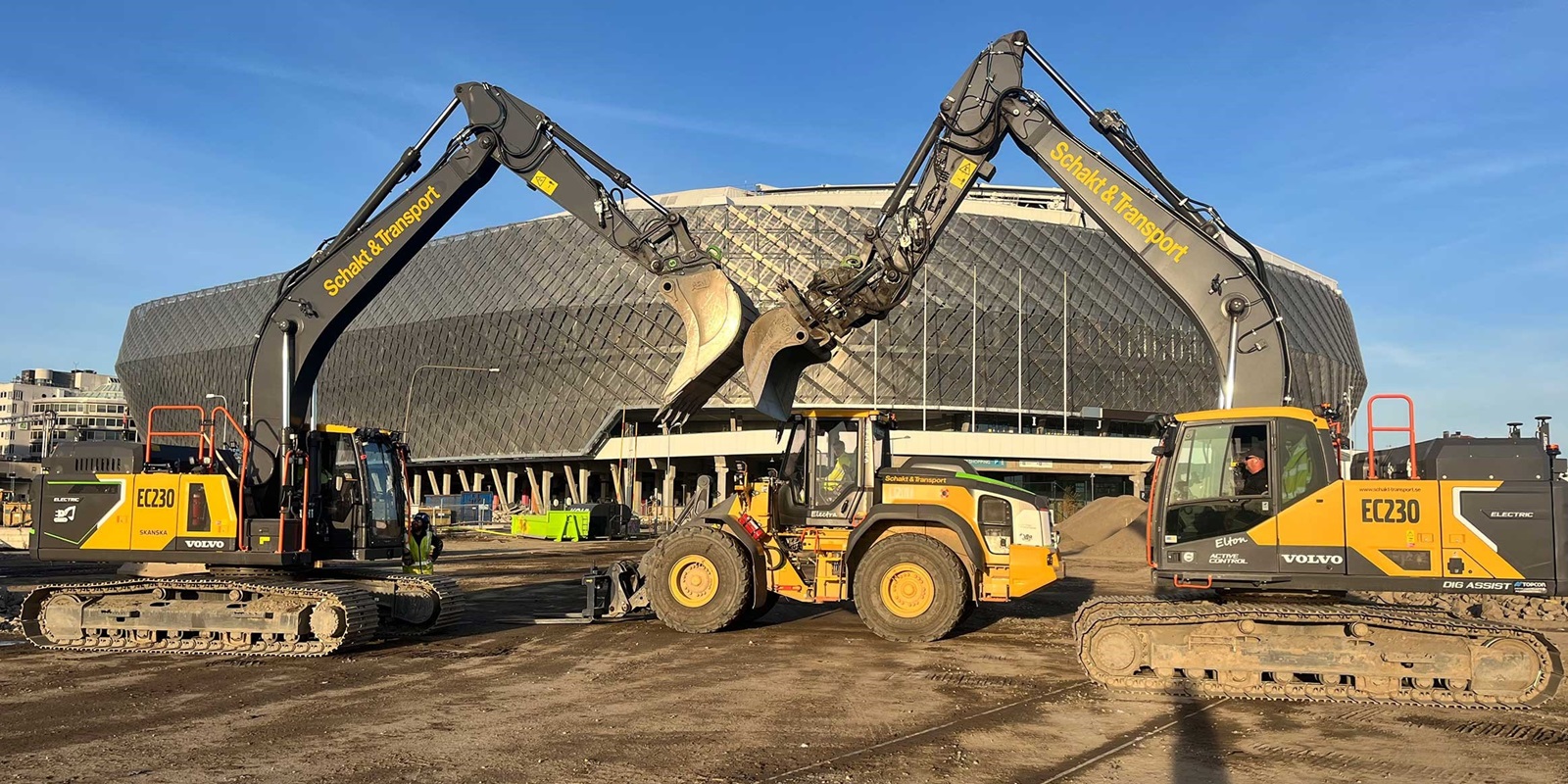
Volvo CE and Hitachi Energy have signed an MOU to support and accelerate the deployment of battery electric construction equipment powered by a clean, renewable energy supply that’s backed by intelligent energy storage and management. more…
Rapid decarbonization goals and advancements in battery technology are making zero-emission heavy equipment a viable and strategically important area for industrial leaders.
This partnership signals a significant push towards electrifying heavy construction, impacting energy infrastructure, environmental regulations, and the competitive landscape of the industrial sector.
The strategic alliance between major equipment manufacturers and energy providers accelerates the transition to emission-free job sites, demanding new power solutions and grid integration.
- · Volvo CE
- · Hitachi Energy
- · Renewable energy providers
- · Battery technology developers
- · Internal combustion heavy equipment manufacturers
- · Fossil fuel industry (for construction equipment)
- · Companies slow to adopt electrification
Deployment of battery-electric construction equipment on job sites will increase, along with demand for charging infrastructure.
The electrification of heavy industry will drive innovation in grid management, energy storage, and smart charging solutions.
This shift could profoundly remap the demand curve for specific raw materials like lithium and cobalt, and accelerate the development of new battery chemistries.
This signal links to a primary source. Continuum Brief monitors and indexes it as part of the live intelligence stream — we do not republish source content.
Read at Electrek