The ban for model year 2027 onward began under Biden and has been enacted by Trump.
The US government is actively implementing and enforcing policies to curb the influence of Chinese technology in critical sectors, reflected in this evolving ban on connected cars.
This intervention establishes a precedent for how foreign-owned but domestically operated companies navigate national security concerns in a de-globalizing world, impacting supply chains and market access.
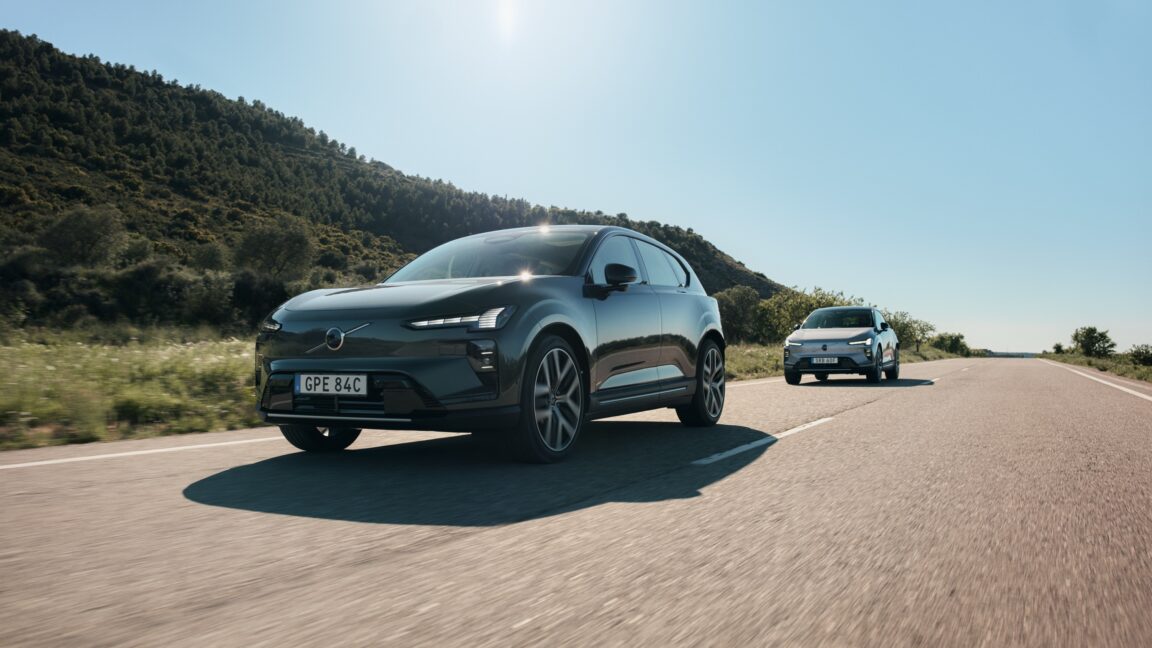
Volvo, and by extension Polestar, can continue to sell their connected cars in the US despite their Chinese ownership, carving out a specific exemption from a broader national security directive.
- · Volvo Car Corporation
- · Polestar
- · US auto consumers
- · Chinese connected car manufacturers
- · Geely
- · Companies without similar exemptions
Volvo and Polestar maintain full market access in the US for their connected car models.
Other companies with foreign ownership but significant domestic operational safeguards might seek similar exemptions, leading to a complex regulatory landscape.
This could encourage China to implement reciprocal bans or restrictions on Western companies operating within its borders, further fragmenting global markets.
This signal links to a primary source. Continuum Brief monitors and indexes it as part of the live intelligence stream — we do not republish source content.
Read at Ars Technica — Cars