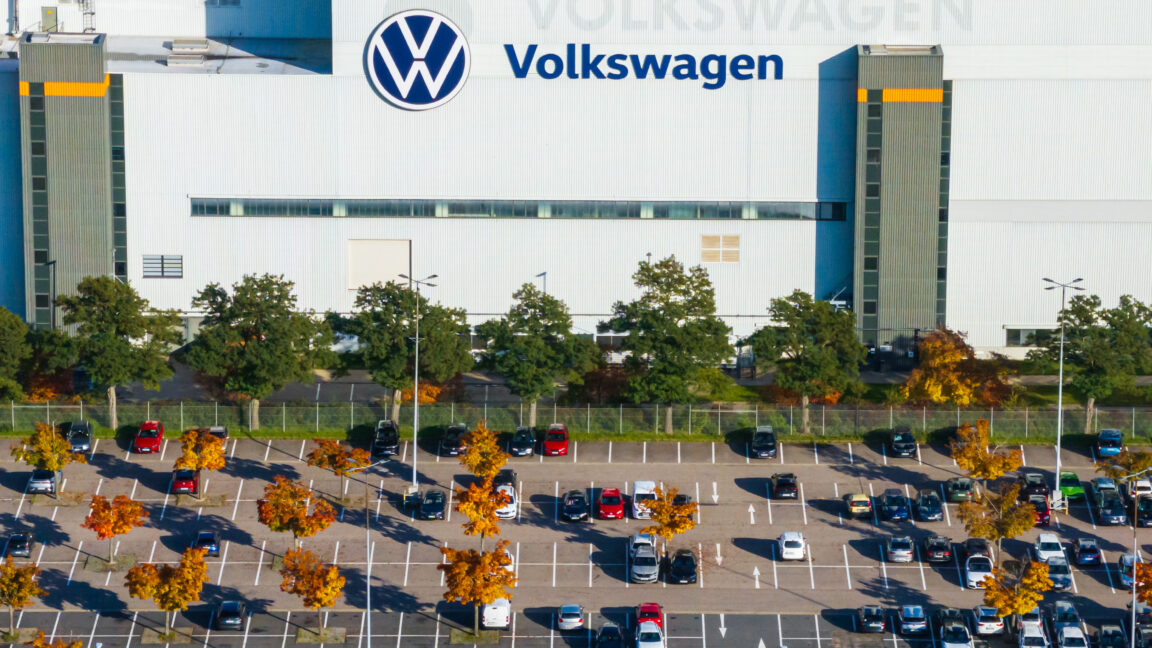
With falling sales in the US and especially China, VW Group wants to restructure.
Automotive manufacturers, particularly those reliant on traditional markets, are facing acute pressure from falling sales, especially in China, and the ongoing transition to electric vehicles and autonomous systems.
This indicates a significant structural adjustment within a major global automaker, reflecting broader industry challenges and potentially impacting supply chains, employment, and regional economies.
VW Group is actively considering radical restructuring, signaling a departure from previous growth expectations and a focus on consolidation and adaptation over expansion.
- · Efficient EV manufacturers
- · Agile automotive suppliers
- · Regions with strong future automotive policy
- · Traditional internal combustion engine manufacturers
- · Regions heavily reliant on legacy automotive manufacturing jobs
- · Companies with high fixed costs in automotive production
Major automotive companies will re-evaluate global manufacturing footprints in response to market shifts.
Increased competition and potential consolidation within the automotive industry will accelerate, particularly concerning foreign markets for European brands.
Governments and labor unions in affected regions will face increased pressure to retrain workforces and attract new industries as traditional manufacturing declines.
This signal links to a primary source. Continuum Brief monitors and indexes it as part of the live intelligence stream — we do not republish source content.
Read at Ars Technica — Cars