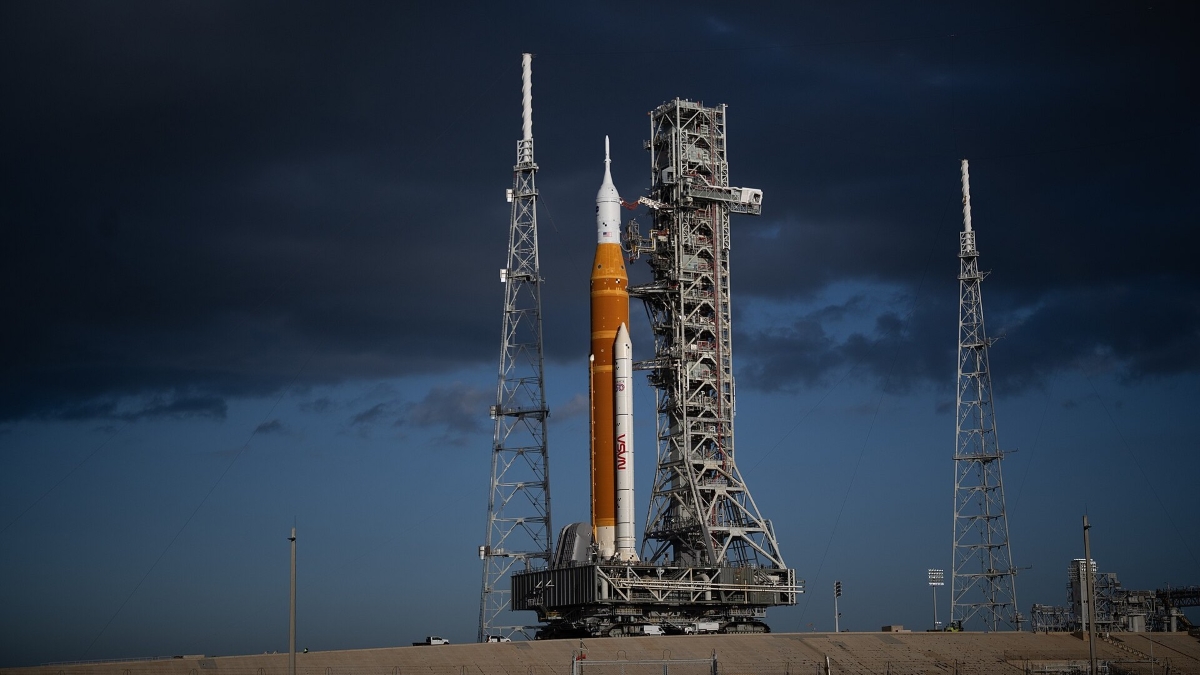
In 2025, Nazmelis Zengin wrote, “The Fragility of U.S. Space Power in a Multipolar World,” where she argued Washington’s space superiority could be challenged if the United States doesn’t rethink its course, taking lessons from mid-tier space powers. A year later, we asked Nazmelis to revisit her arguments.Image: NASA Kennedy Space Center/NASA/Chris Swanson via Wikimedia CommonsIn your 2025 article, you argued that American space dominance could be challenged if the United States doesn’t alter how it systematically thinks about adaptability, resilience, and co-development, taking lessons from
This article, a year after an initial publication, revisits and reinforces arguments about the fragility of US space power, highlighting a sustained concern about adapting to a multipolar world.
A strategic reader should care because maintaining space superiority is critical for national security and economic stability, and calls for a re-evaluation of current strategies suggest potential vulnerabilities.
The renewed emphasis on co-development and learning from mid-tier powers suggests a potential shift away from a purely unilateral approach to space dominance, advocating for more collaborative strategies.
- · Mid-tier space powers
- · International aerospace collaboration
- · Adaptable defense contractors
- · Traditional defense contractors (solo-focused)
- · Isolated national space programs
The US Department of Defense may increase funding for international space partnerships and joint development programs.
Increased collaboration could lead to a more resilient and distributed global space infrastructure, reducing single points of failure.
A more integrated global space architecture might mitigate the risk of conflicts escalating into full-scale space warfare, as interdependencies increase.
This signal links to a primary source. Continuum Brief monitors and indexes it as part of the live intelligence stream — we do not republish source content.
Read at War on the Rocks