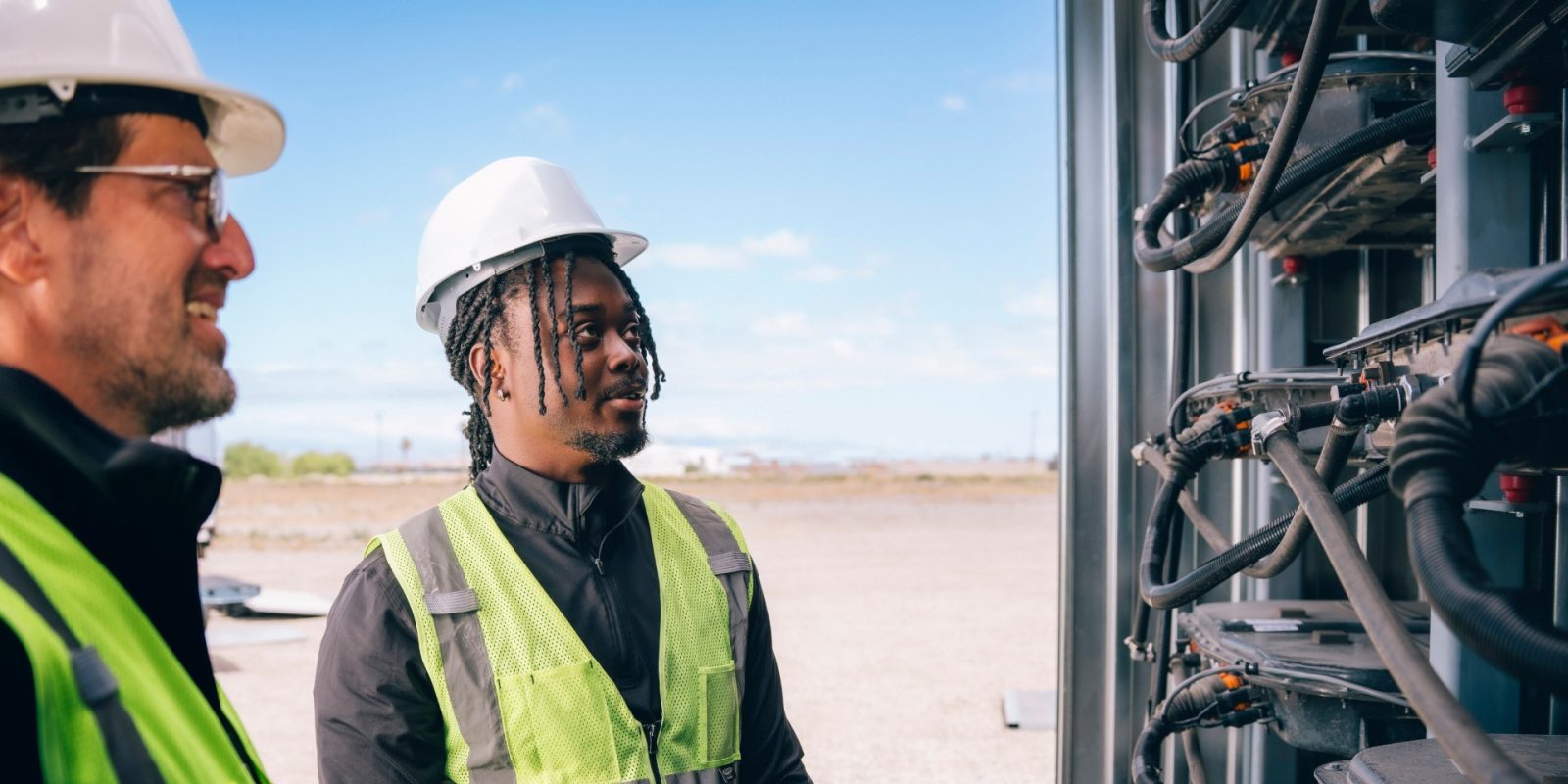
Waymo’s retired EV batteries won’t be heading straight to recycling anymore. Instead, they’re going to help support the power grid in California and Texas. more…
The increasing deployment of EVs and autonomous vehicles is leading to a growing supply of retired batteries, while simultaneously, the demand for grid stability and energy storage solutions is escalating due to renewable energy integration.
This development highlights a crucial step towards sustainable battery lifecycle management and addresses the growing energy demands of critical infrastructure, demonstrating how waste streams can become valuable assets.
Retired EV batteries are now being repurposed for grid-scale energy storage instead of immediate recycling, extending their useful life and reducing raw material demand while enhancing energy resilience.
- · Grid operators
- · EV battery manufacturers
- · Energy storage companies
- · California and Texas energy markets
- · Traditional peak power plants
- · Primary raw material suppliers for new grid batteries
Retired EV batteries find a second life as stationary energy storage, reducing waste and increasing the value proposition of EVs.
This creates new business models for battery second-life applications and reduces the overall lifetime carbon footprint of EV batteries.
The widespread adoption of second-life batteries could accelerate the transition to renewable energy by providing more flexible and affordable grid storage solutions, influencing future EV battery design for circularity.
This signal links to a primary source. Continuum Brief monitors and indexes it as part of the live intelligence stream — we do not republish source content.
Read at Electrek