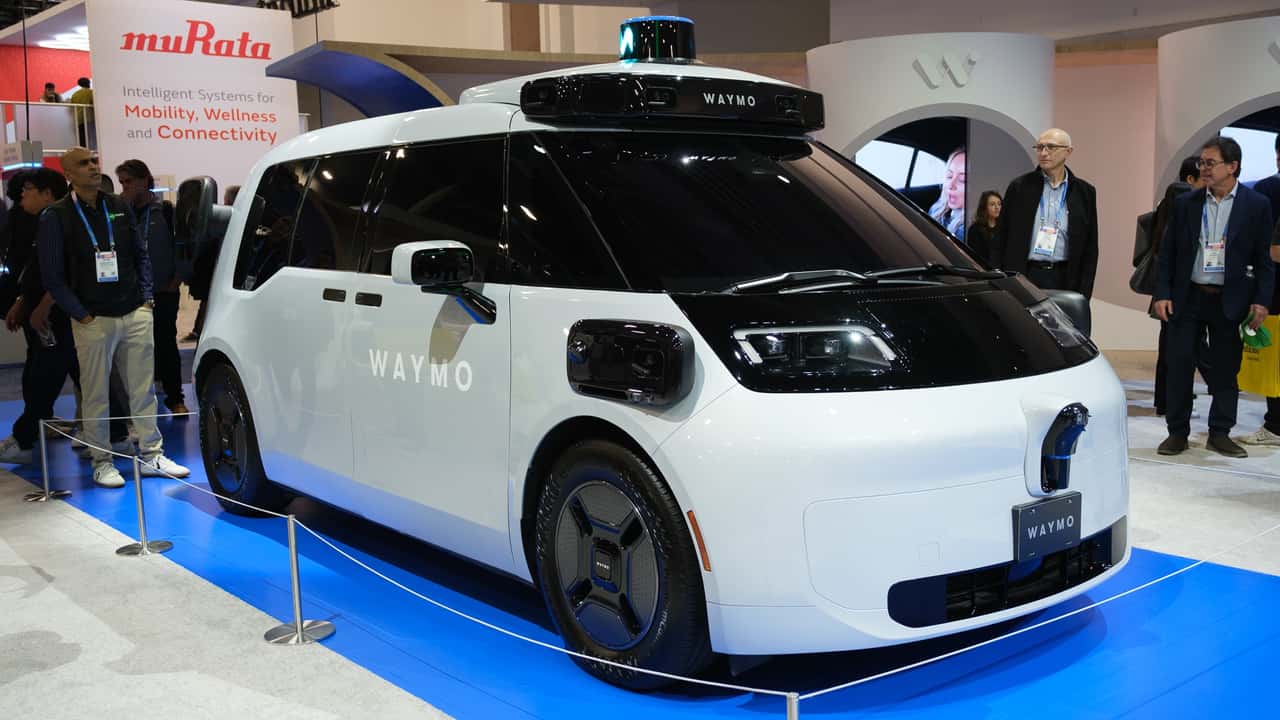
You will soon be able to ride in the high-tech Zeekr vans, which Waymo is using to expand its robotaxi fleet.
Waymo's announcement reflects significant technological maturity and operational readiness in their autonomous driving systems, indicating a pivot from testing to broader commercial deployment.
This marks a critical step towards scalable robotaxi services, impacting urban transportation, logistics, and potentially accelerating the widespread adoption of autonomous vehicles, therefore disrupting existing mobility models.
The availability of next-generation robotaxis in greater numbers shifts autonomous systems from a niche service to a more accessible commercial offering, increasing direct competition with traditional ride-sharing and personal car ownership.
- · Waymo
- · Zeekr
- · Autonomous vehicle technology developers
- · Early adopters of robotaxi services
- · Traditional taxi services
- · Human ride-share drivers
- · Personal car manufacturers in urban centers
- · Public transportation in some areas
Expanded robotaxi availability in more cities.
Increased pressure on traditional ride-hailing companies to integrate or compete with fully autonomous fleets.
Re-evaluation of urban planning and infrastructure needs as private vehicle ownership declines in favor of shared autonomous fleets.
This signal links to a primary source. Continuum Brief monitors and indexes it as part of the live intelligence stream — we do not republish source content.
Read at InsideEVs