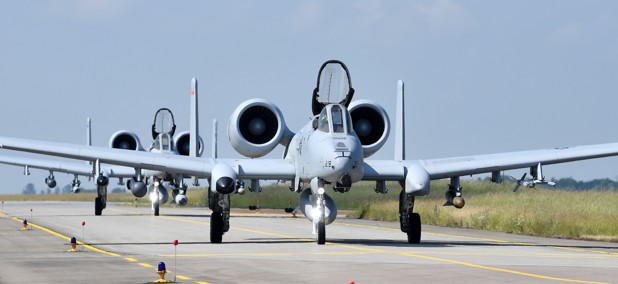
House lawmakers wonder whether new missions could help keep the Warthog useful.
The accelerating pace of AI and electronic warfare technologies, coupled with ongoing geopolitical tensions, is forcing defense strategists to reconsider the utility of legacy platforms.
This indicates a growing imperative within defense establishments to integrate advanced digital capabilities into existing military hardware, extending their lifespan and enhancing their combat effectiveness amid budget constraints and pressures for modernization.
The discussion shifts from outright replacement of older systems to their strategic augmentation with next-generation technology, potentially altering procurement priorities and operational doctrines.
- · Defense contractors specializing in AI and EW systems
- · Military branches seeking cost-effective upgrades
- · Aerospace engineering firms
- · US defense industry
- · Manufacturers of solely traditional platforms
- · Budget-constrained defense programs that don't adapt
- · Adversaries with less advanced integration capabilities
Existing military assets like the A-10 gain extended operational relevance and enhanced capabilities.
This modernization approach could establish a precedent for upgrading other legacy systems across various military branches, fostering a more adaptable defense ecosystem.
It might lead to new doctrines for hybrid manned-unmanned operations and distributed lethality, blurring the lines between new and old military hardware.
This signal links to a primary source. Continuum Brief monitors and indexes it as part of the live intelligence stream — we do not republish source content.
Read at Defense One