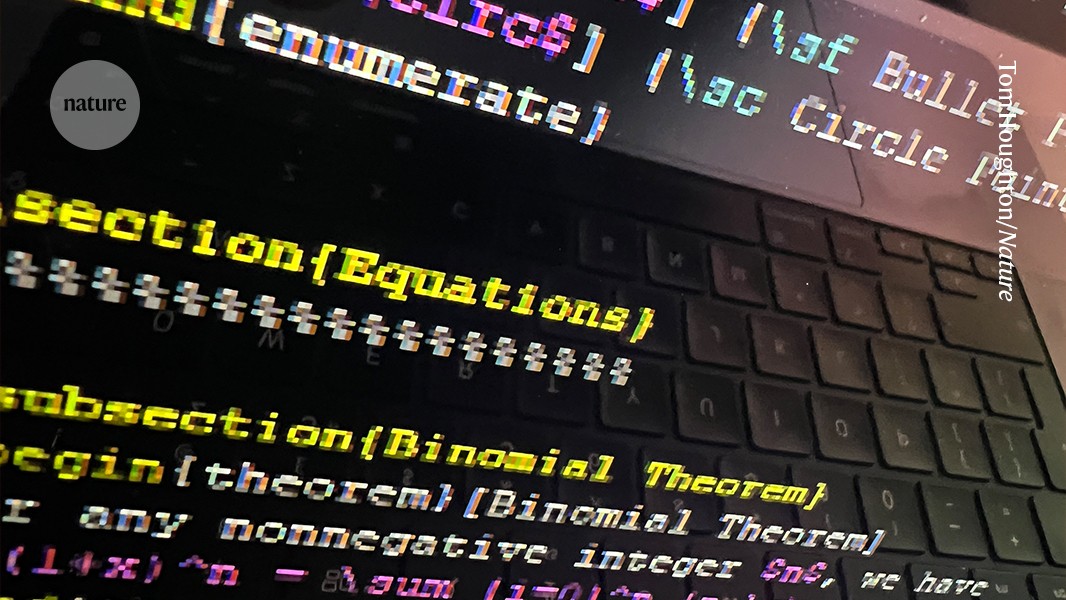
Nature, Published online: 09 July 2026; doi:10.1038/d41586-026-02057-8 Passwords, GPS coordinates and private conversations have all been found in the metadata and source files of millions of preprint submissions.
The proliferation of preprint servers and the increasing volume of digital academic submissions creates a larger surface area for accidental data exposure, making this a critical juncture for data security awareness.
This highlights significant risks to intellectual property, personal privacy, and national security data inadvertently shared through academic preprocessing, demanding immediate attention from researchers and institutions.
The incident reveals critical vulnerabilities in academic publishing workflows and data handling practices, necessitating revised protocols for metadata and source file submission across research communities.
- · Cybersecurity firms
- · Data privacy solution providers
- · Academic institutions implementing robust security protocols
- · Researchers with exposed sensitive data
- · Organizations relying on insecure data sharing methods
- · Academic publishing platforms with lax security
Immediate audits of past preprint submissions and enhanced security tools for researchers will become standard.
New regulatory frameworks for data sharing in academic contexts may emerge, similar to GDPR for personal data.
A potential chilling effect on open science initiatives if researchers become excessively cautious about sharing data, impacting collaborative progress.
This signal links to a primary source. Continuum Brief monitors and indexes it as part of the live intelligence stream — we do not republish source content.
Read at Nature — Latest Research