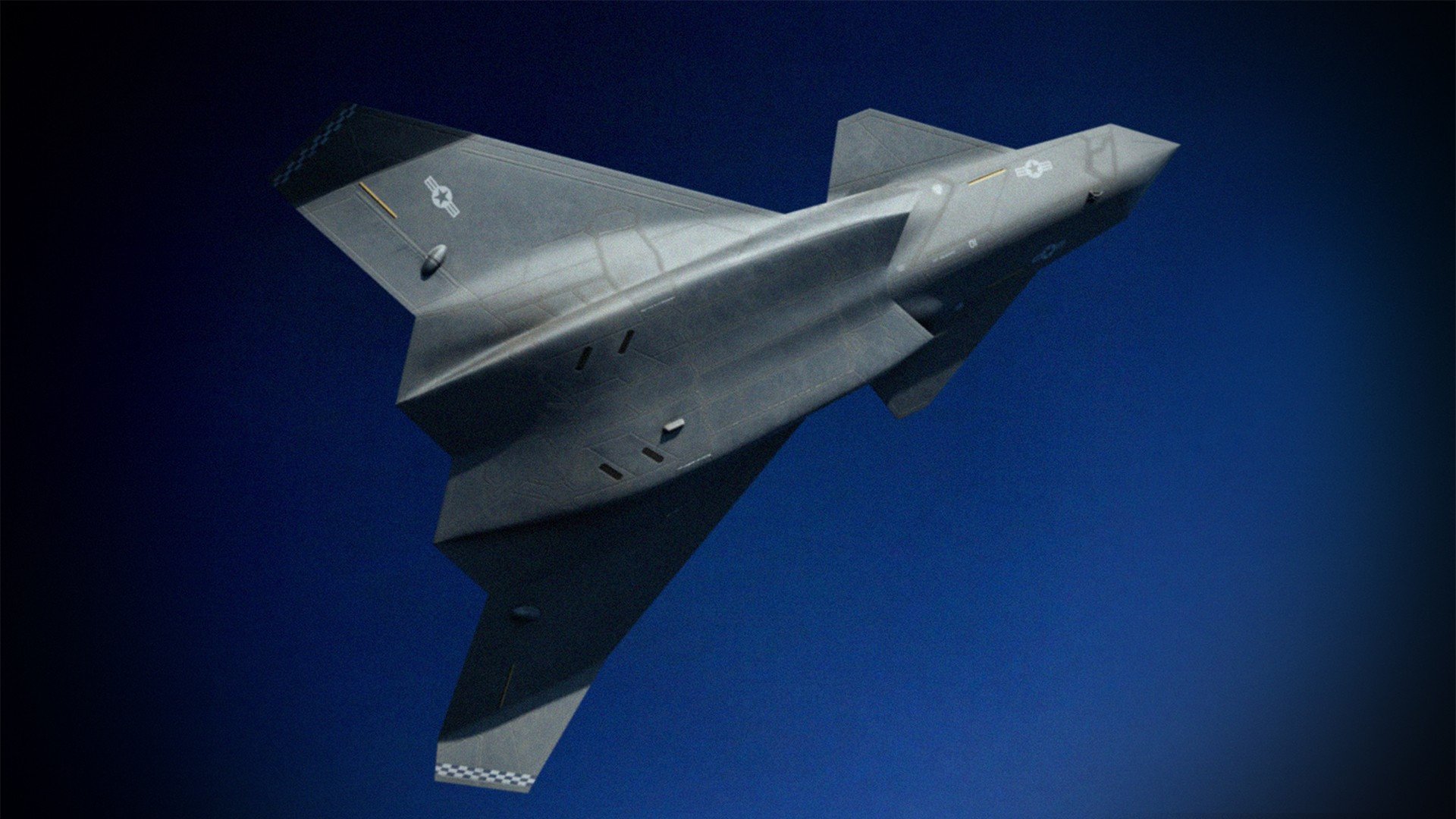
Most 6th gen fighter concepts have been tailless deltas, and China is pursuing that planform, but Boeing's F-47 went a very different direction. The post Why Does The F-47’s Design Look So Different Than What Many Expected? appeared first on TWZ .
The F-47 development indicates a divergence in advanced fighter design philosophy, driven by evolving air dominance requirements and the integration of new technologies within the Next Generation Air Dominance (NGAD) program.
This news signals a potentially significant strategic advantage or disadvantage for nations investing in specific 6th generation fighter concepts, influencing future aerial warfare capabilities and defense spending.
The F-47's unique design suggests a different approach to stealth, maneuverability, or mission profiles compared to previously assumed tailless delta concepts, challenging conventional wisdom in advanced fighter development.
- · Boeing
- · U.S. Air Force
- · Advanced materials manufacturers
- · AI/autonomy developers
- · Competitors focused solely on tailless delta designs
- · Legacy aerospace companies slow to adapt
- · Nations without robust R&D budgets
The F-47's distinctive design will likely prompt other nations to re-evaluate their own 6th generation fighter development strategies.
This divergence could lead to increased investment in diverse aerodynamic and sensor fusion technologies, fostering new innovation pathways in aerospace.
A highly differentiated F-47 could prompt a new arms race in fighter design, particularly if its unique characteristics provide a decisive combat advantage.
This signal links to a primary source. Continuum Brief monitors and indexes it as part of the live intelligence stream — we do not republish source content.
Read at The War Zone