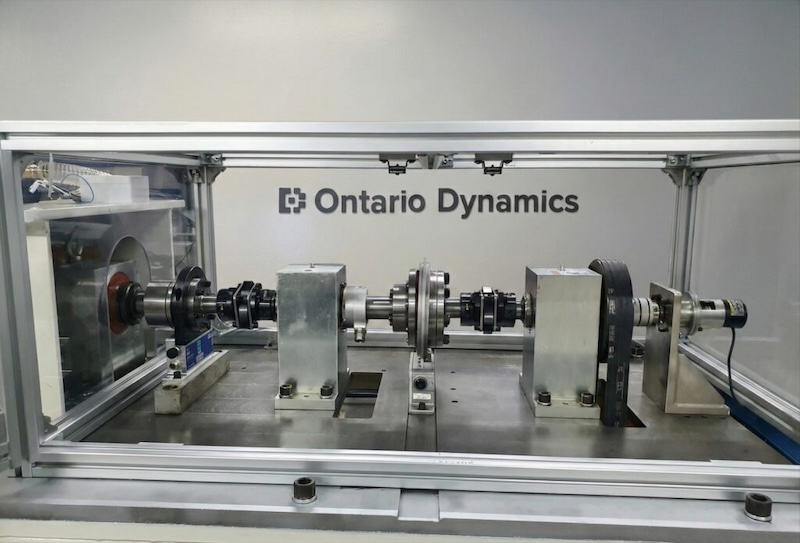
When a transmission engineer first runs a new EV drivetrain on a test bench designed for ICE components, something unexpected often happens: the data looks clean, but the drivetrain sounds wrong. Not broken – just wrong. A faint, high-pitched whine at 3,200 rpm. A harmonic that wasn’t in the simulation. A bearing signature buried under […]
As EV adoption accelerates, the specific engineering challenges of electric powertrains are becoming more apparent and demanding new, specialized solutions.
This highlights the non-trivial engineering complexity and specialized testing required for effective EV development, which is distinct from traditional internal combustion engine (ICE) approaches.
Automotive R&D and testing methodologies must significantly adapt to address unique EV characteristics like NVH, moving beyond legacy ICE-centric processes.
- · EV testing equipment manufacturers
- · Specialized automotive engineering consultancies
- · EV manufacturers with advanced R&D capabilities
- · Traditional ICE-focused automotive suppliers
- · Legacy automotive R&D institutions slow to adapt
- · Companies relying on outdated testing methodologies
The automotive industry will invest heavily in new NVH testing facilities and methodologies specific to electric vehicles.
This shift will drive consolidation or new partnerships among automotive engineering firms to acquire specialized EV expertise.
These advanced testing capabilities could become a competitive differentiator for EV manufacturers, leading to more refined and appealing products.
This signal links to a primary source. Continuum Brief monitors and indexes it as part of the live intelligence stream — we do not republish source content.
Read at Robotics & Automation News