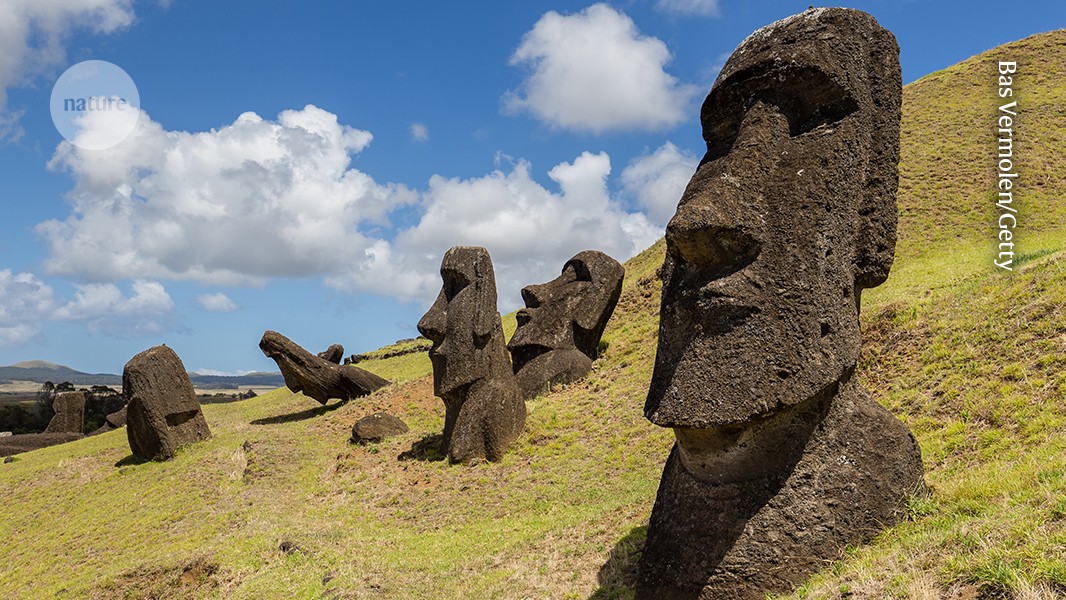
Nature, Published online: 22 June 2026; doi:10.1038/d41586-026-01956-0 As rising seas and intensifying disasters threaten historic sites worldwide, new ways to understand, preserve and adapt these places are needed urgently.
The accelerating impacts of climate change, specifically rising seas and intensifying disasters, are reaching a critical point where historical preservation is directly threatened, necessitating immediate adaptive strategies.
This highlights the tangible and increasing non-economic costs of climate change, specifically the loss of irreplaceable cultural heritage, which can accelerate public and policy responses.
The focus shifts from solely preventing climate change to also actively developing and implementing methods for preserving and adapting existing cultural and historical sites under unavoidable climate impacts.
- · Climate adaptation technologies
- · Cultural heritage preservation organizations
- · Climate research and modeling
- · Civil engineering firms specializing in coastal protection
- · Heritage sites in vulnerable coastal zones
- · Regions heavily reliant on climate-vulnerable tourism
- · Traditional preservation methods
- · Insurers of coastal infrastructure
Increased funding and research will be directed towards climate-resilient preservation techniques for cultural sites.
Public awareness campaigns might intensify around the immediate threat to cultural heritage, potentially influencing policy decisions on broader climate mitigation.
The loss of globally significant heritage sites could lead to geopolitical disputes over ownership or responsibility, especially for sites nearing destruction, or spark international collaboration on shared heritage protection.
This signal links to a primary source. Continuum Brief monitors and indexes it as part of the live intelligence stream — we do not republish source content.
Read at Nature — Latest Research