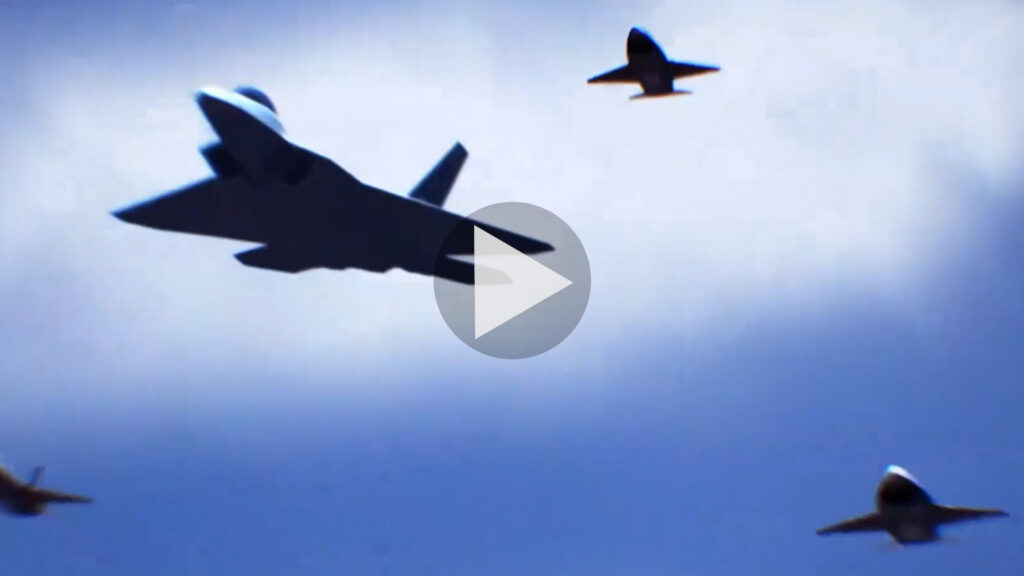
In the second part of a new video series focused on manned-unmanned teaming, the panelists talk about the benefits, and risks, of relying on unmanned systems.
The Pentagon and Air Force are actively exploring the integration of AI-powered drones and manned aircraft, necessitating discussions on the optimal level of human intervention.
This news item highlights the ongoing debate and strategic decisions being made at the highest levels of military planning regarding the role of humans in future autonomous warfare systems, especially in the context of collaborative combat aircraft.
The emphasis remains on 'humans in the loop' for loyal wingman drones, indicating a cautious approach to full autonomy and a continued focus on human oversight in critical decision-making.
- · Defense contractors specializing in human-machine interface
- · US Air Force
- · Pilots
- · Cybersecurity firms
- · Advocates for fully autonomous combat systems
- · Developers of AI systems without robust human oversight
- · Nations with limited defense tech capabilities
Further investment in secure and intuitive human-machine teaming technologies for air combat.
Increased training requirements for pilots to effectively manage and integrate with AI-powered wingmen.
The development of international norms and ethics around human-in-the-loop autonomous weapons systems, potentially influencing arms control treaties.
This signal links to a primary source. Continuum Brief monitors and indexes it as part of the live intelligence stream — we do not republish source content.
Read at Breaking Defense