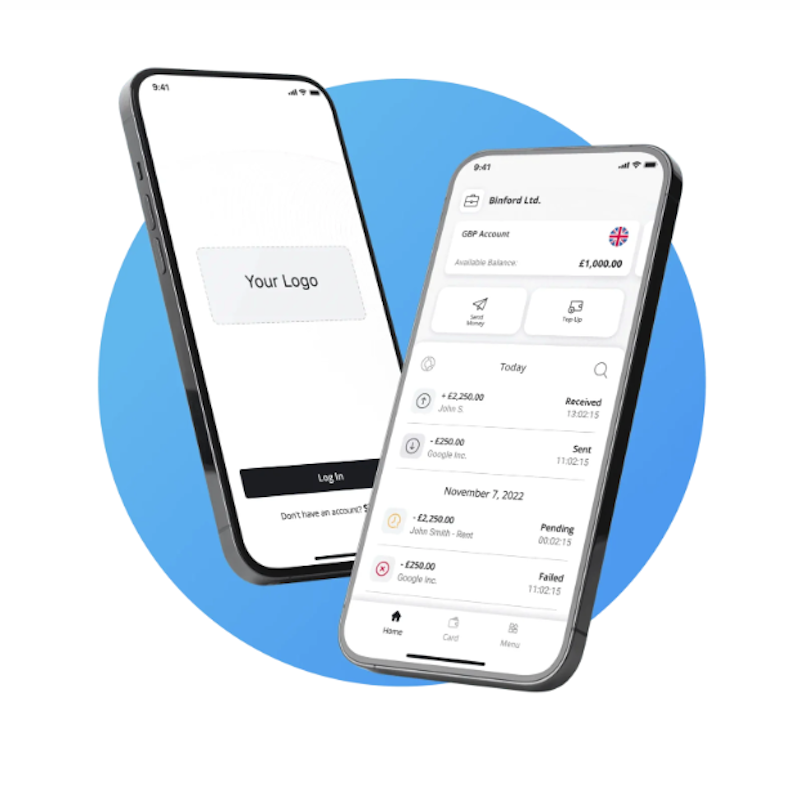
For decades, traditional banking revolved around branches, paper-based processes, and desktop banking platforms. Even as digital banking emerged, mobile applications were often treated as an additional channel rather than the primary way customers interacted with financial services. That reality has changed. Today, customers increasingly expect to manage their finances entirely from their smartphones. From opening […]
Ubiquitous smartphone penetration and increasing digital literacy among all demographics have matured to a point where mobile is now the default rather than an alternative for financial interactions.
This shift redefines the primary interface for financial services, requiring traditional institutions to re-architect their strategies and technology stacks to remain competitive and relevant.
Mobile applications are no longer supplementary but are becoming the core delivery mechanism for banking, impacting technology investments, customer experience design, and market leadership.
- · Digital banking software providers
- · Fintech startups
- · Mobile-first banks
- · Cloud infrastructure providers
- · Traditional brick-and-mortar banks
- · Legacy banking software vendors
- · Desktop-centric financial service providers
Increased investment in mobile-first digital identity and eKYC solutions to secure these interactions.
Consolidation in the fintech sector as established banks acquire agile mobile-first innovators or are outcompeted.
The development of entirely new financial products and services that are only feasible and intuitive within a mobile-first paradigm.
This signal links to a primary source. Continuum Brief monitors and indexes it as part of the live intelligence stream — we do not republish source content.
Read at Robotics & Automation News