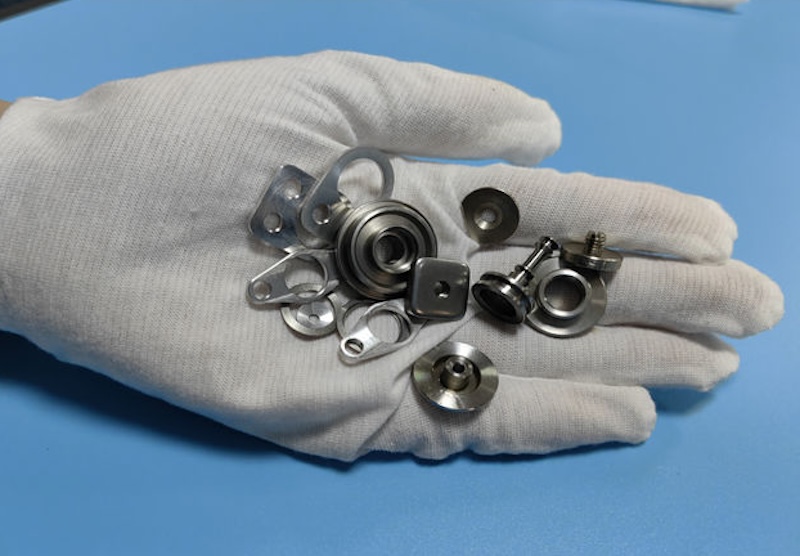
The rapid growth of robotics, factory automation, and intelligent manufacturing systems is transforming industrial production worldwide. Modern manufacturing environments increasingly rely on highly precise mechanical systems capable of operating continuously with minimal deviation, especially as automation technologies become more advanced and interconnected. From collaborative robots and automated assembly systems to sensor-driven manufacturing equipment, precision-engineered components […]
The increasing sophistication and widespread adoption of robotics and automation across industries necessitate higher precision in their mechanical components, making advanced manufacturing techniques like Swiss machining more critical than ever.
This highlights a fundamental enabling technology for the broader expansion of automation and robotics, underscoring the ongoing need for advanced manufacturing capabilities to support industrial transformation.
The growing demand for ultra-precise mechanical systems elevates the importance and investment in specialized machining techniques, shifting focus towards high-tolerance component supply chains.
- · Precision machining companies
- · Robotics manufacturers
- · Automation hardware developers
- · Advanced manufacturing sector
- · Manufacturers relying on low-precision components
- · Inefficient assembly lines
- · Manual labor in precision tasks
Increased integration of automated systems into diverse manufacturing environments will accelerate.
Demand for skilled workers in precision manufacturing and robotics maintenance will grow significantly.
Nations with strong precision engineering capabilities could gain a competitive advantage in automated industrial production.
This signal links to a primary source. Continuum Brief monitors and indexes it as part of the live intelligence stream — we do not republish source content.
Read at Robotics & Automation News