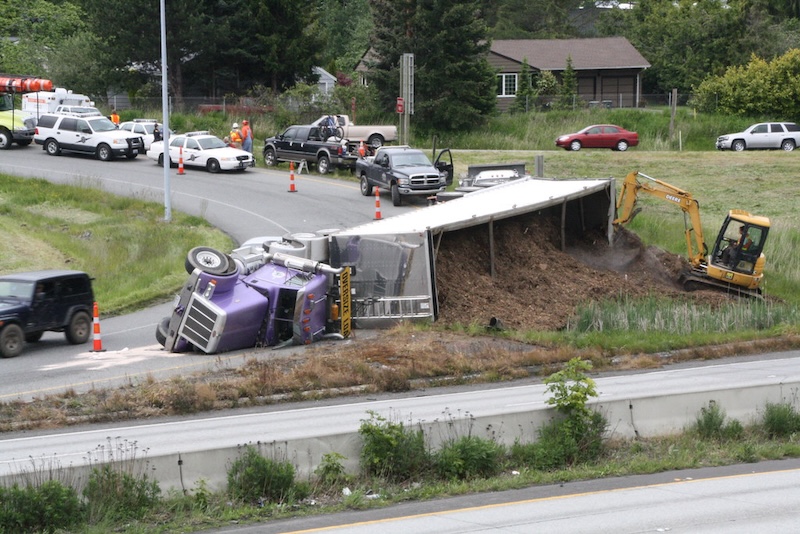
The Bronx sits at the center of some of New York City’s busiest transportation routes, with major highways carrying a constant flow of commercial traffic through densely populated neighborhoods every day. Delivery trucks, freight carriers, and long-haul semi-trucks move through the borough at all hours, sharing crowded roads with commuters, buses, cyclists, and pedestrians. When […]
The increasing presence of autonomous freight and semi-trucks on busy urban routes is generating new and complex legal challenges, particularly in accident claims.
The legal and regulatory frameworks surrounding autonomous vehicles are still nascent, creating significant uncertainty for insurers, manufacturers, and victims, which could impede adoption.
The article highlights the evolving legal landscape where liability in incidents involving autonomous vehicles becomes more convoluted, moving beyond traditional human-driver negligence.
- · Legal tech firms specializing in AI forensics
- · Autonomous vehicle manufacturers with robust safety records
- · Specialized insurance providers
- · Traditional trucking insurance companies
- · Litigators unfamiliar with AI liability
- · Plaintiffs lacking access to sophisticated legal resources
Increased litigation and higher insurance premiums for autonomous trucking companies.
Development of specialized legal and regulatory bodies focused solely on autonomous vehicle incidents.
Shifts in urban planning and infrastructure design to mitigate risks associated with mixed-mode traffic scenarios including autonomous vehicles.
This signal links to a primary source. Continuum Brief monitors and indexes it as part of the live intelligence stream — we do not republish source content.
Read at Robotics & Automation News