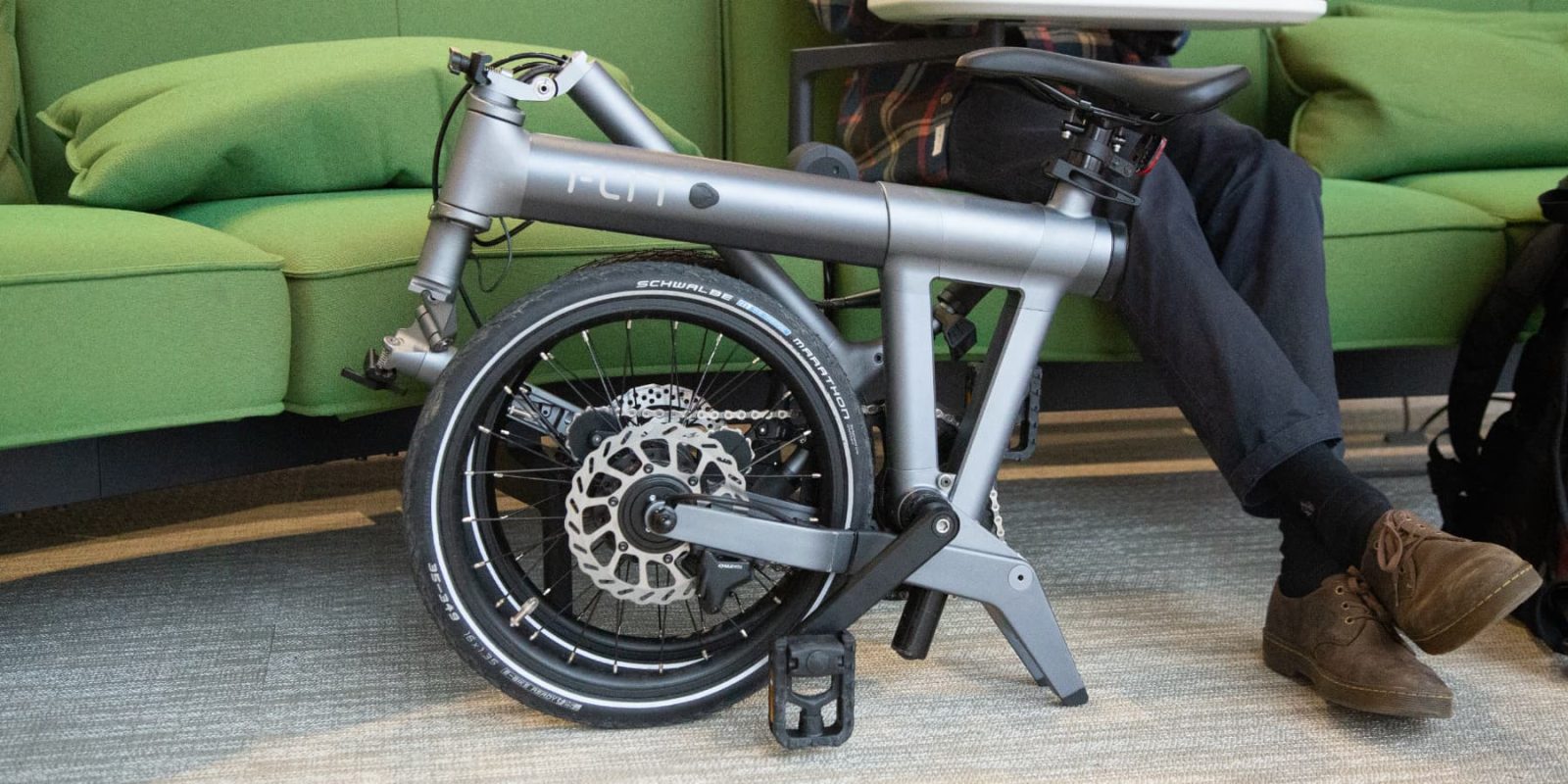
When most people think about how a bicycle frame is built, they probably imagine sparks flying from a welding torch. That’s certainly how the vast majority of aluminum bike frames are made. But one British e-bike company is taking a very different approach, and it has more in common with Aston Martin sports cars and aerospace engineering than traditional bicycle manufacturing. more…
The e-bike market is rapidly expanding, driving innovation in manufacturing techniques to achieve performance, cost, and design differentiation.
This highlights a growing trend in applying advanced manufacturing techniques from other sophisticated industries to more consumer-oriented products, potentially improving durability and design.
Manufacturing processes for consumer goods, particularly in mobility, are diversifying beyond traditional methods, embracing techniques from aerospace and high-performance automotive sectors.
- · Innovative e-bike makers
- · Adhesive technology companies
- · Consumers seeking advanced e-bikes
- · Traditional welding equipment manufacturers
- · E-bike makers reliant on conventional processes
Increased adoption of alternative joining methods in bicycle and potentially other light vehicle manufacturing.
Development of new material science for advanced adhesives and composites tailored for consumer product integration.
Broader disruption of established manufacturing supply chains as product design increasingly dictates novel production techniques.
This signal links to a primary source. Continuum Brief monitors and indexes it as part of the live intelligence stream — we do not republish source content.
Read at Electrek