Wi-Fi controlled hacking USB cable stealthily packs in a microcontroller, microSD storage, and more — cable executes remote payload execution, keystroke injection, and more, but is 'built for makers, developers, enthusiasts, and cybersecurity learners'
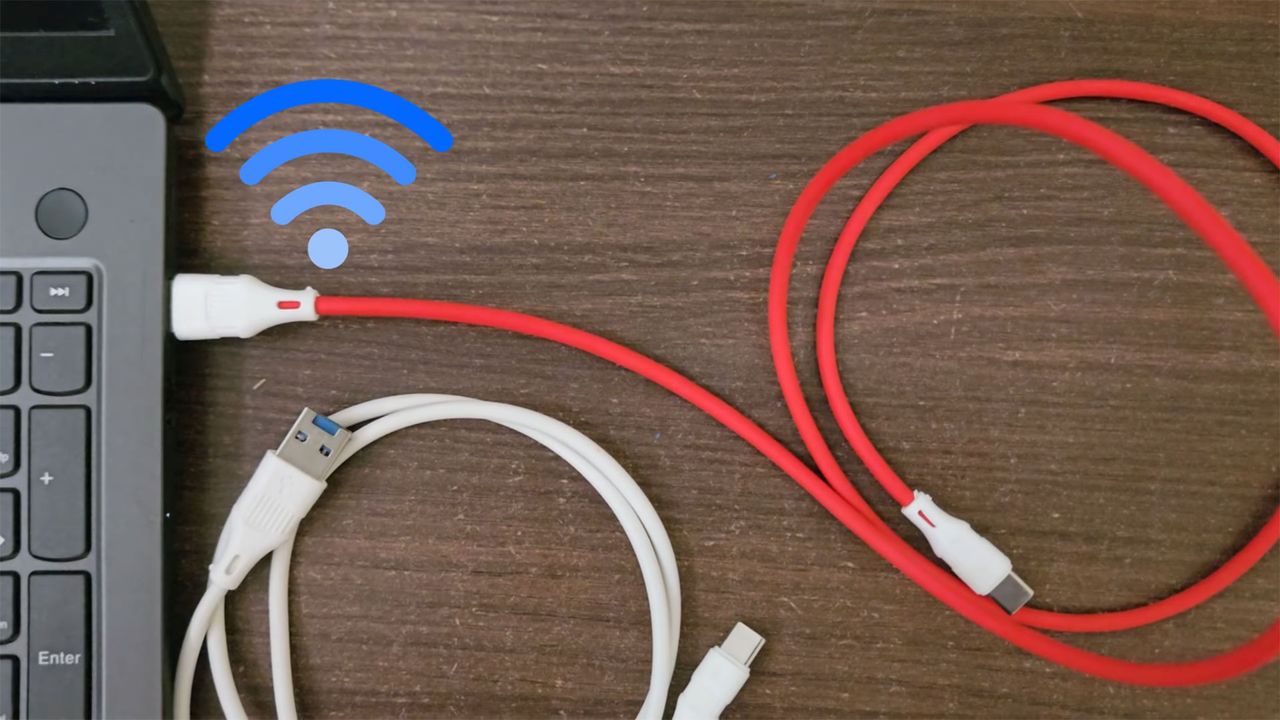
A device that 'looks like a normal USB cable' but packs in an ESP32-S3 microcontroller, micro SD card storage, and Wi-Fi capabilities has enjoyed great success on Kickstarter.
The proliferation of readily available and powerful microcontrollers, combined with open-source development and crowdfunding platforms, enables such versatile and stealthy devices.
This innovation highlights the increasing accessibility of sophisticated cyber-physical tools, which can be dual-use for both legitimate development and malicious activities, posing new cybersecurity challenges.
The ease with which common peripherals can be weaponized with embedded computing power changes the threat landscape for physical security and supply chain vigilance.
- · Cybersecurity learners
- · Hardware makers and enthusiasts
- · Advanced persistent threat actors
- · IT security departments
- · Supply chain security
- · Conventional cybersecurity appliances
This device directly enables sophisticated physical penetration testing and potentially covert data exfiltration or system compromise.
Increased awareness and demand for advanced USB port security and supply chain verification mechanisms will likely emerge.
The development of AI-powered anomaly detection for USB device behavior could become essential to counter such stealthy threats.
This signal links to a primary source. Continuum Brief monitors and indexes it as part of the live intelligence stream — we do not republish source content.
Read at Tom's Hardware